
Cardiovascular · Neuropeptide
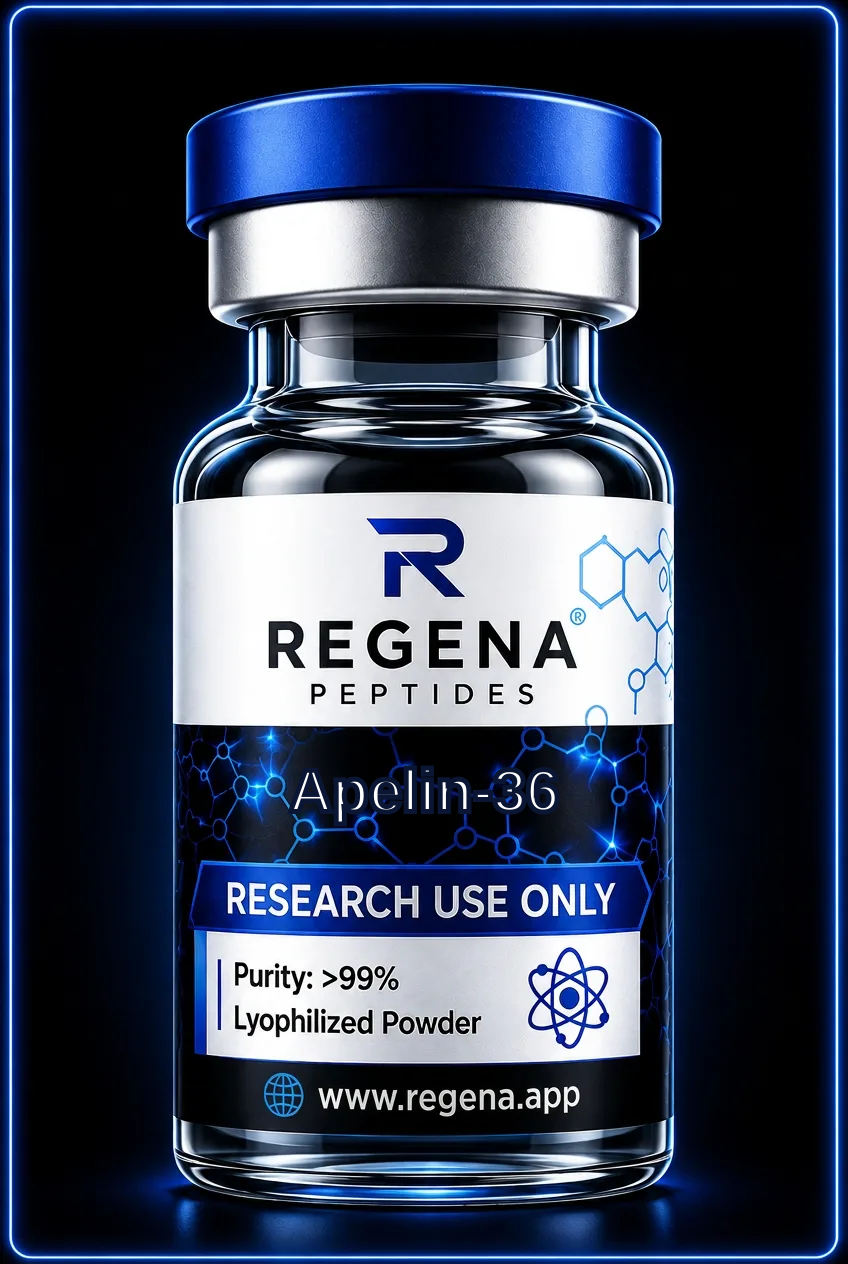
Apelin-36
A 36-amino-acid isoform of Apelin that activates the APJ receptor, studied for its role in cardiovascular and metabolic regulation.
- Length
- 36 amino acids
- Half-life
- Not well characterised
- Mechanism
- Binds to and activates the G protein-coupled APJ receptor (APLNR), serving as an endogenous ligand that influences the cardiovascular and metabolic systems.
- Studied in
- Utilized in studies exploring the regulation of the apelinergic system in models of heart failure, hypertension, and metabolism.
About Apelin-36
Apelin-36 is a 36-amino-acid peptide and one of the larger, biologically active isoforms derived from the preproapelin protein. Like other apelin peptides, it is expressed in numerous tissues, including the heart, lungs, adipose tissue, and central nervous system, and circulates in the plasma.
It functions as an endogenous ligand for the APJ receptor, the same receptor activated by shorter isoforms like Apelin-13. The larger size of Apelin-36 compared to other isoforms may confer different pharmacokinetic or pharmacodynamic properties, such as a potentially longer half-life or altered receptor interaction, which is an active area of investigation in cardiovascular and metabolic research.
Laboratory notes
- As one of several endogenous apelin isoforms, its specific physiological role compared to shorter forms is a subject of ongoing research.
- Its longer sequence may result in different solubility characteristics or binding kinetics compared to Apelin-13.
- Commonly used in cell-based signaling assays (e.g., cAMP or ERK phosphorylation assays) using cells engineered to express the APJ receptor.
Storage and reconstitution basics: storage guide.
Questions about Apelin-36
Does Apelin-36 have different effects than Apelin-13?
Both peptides activate the same APJ receptor and share many biological functions. However, research suggests there may be subtle differences in their potency, duration of action, or ability to cross tissue barriers, which are topics of scientific investigation.
What is the apelinergic system?
The apelinergic system refers to the collective components of this signaling pathway: the apelin peptides (like Apelin-36), the Elabela peptide, and their common receptor, the APJ receptor. This system is crucial for cardiovascular and metabolic homeostasis.
In what solvent should Apelin-36 be reconstituted?
Due to its length, initial reconstitution in a small amount of a solvent like acetic acid (e.g., 0.1 M) or ammonium bicarbonate buffer can improve solubility before further dilution in aqueous buffers for experiments.
Is Apelin-36 for human use?
No. It is supplied strictly for in-vitro laboratory research and is not for human or animal consumption.
Related research peptides
All products are sold for laboratory research use only. Not for human consumption, not a medicine, not for diagnosing, treating or preventing any condition.