

Growth Hormone Research2026-10-19
Managing GHRP-2 Delivery Timelines in International Research
How do customs clearance and international transit affect your GHRP-2 study schedule? Learn to coordinate delivery logistics with laboratory preparation.
Educational reference
Educational articles for researchers covering peptide biology, laboratory methods and the research-supply landscape. For laboratory research only; not therapeutic advice.
How do customs clearance and international transit affect your GHRP-2 study schedule? Learn to coordinate delivery logistics with laboratory preparation.

A practical framework for deciding how much Thymosin Alpha-1 research material to procure, with attention to assay requirements, batch continuity and handling.

Matching labels do not necessarily mean identical analytical profiles. Learn how production variables, test methods and handling affect peptide batches, and which records help researchers make meaningful comparisons.

A question-led guide to interpreting peptide quality evidence, from chromatographic purity and molecular identity to batch comparisons and transport records.

Traceability connects analytical results to the material used in a study. Learn how batch records, digital files and receipt logs support that connection.

A defensible handling workflow connects batch evidence with storage, preparation and access records, while making uncertain sample histories visible.

Treat storage as part of sample management: check deliveries, distinguish dry material from solutions, and preserve a traceable handling history.

Chromatographic purity and molecular identity answer different questions. Learn how to interpret both without asking a single test to establish more than it can.

Transparency means being able to follow a claim back to a sample and its records. Learn to check batch links, analytical scope and the limits of supplier disclosures.

Research peptides do not sit outside regulation. Learn how overlapping product categories and destination-country rules shape a compound-specific review.

A COA summarises reported batch results; a chromatogram shows one analytical separation. Learn how to connect the records, interpret peak areas and recognise what neither document establishes.

RUO defines an intended-use boundary, not a quality grade. Learn how to connect the label with batch evidence, laboratory requirements and regulatory context.

An impurity must both separate and produce a detectable signal to appear clearly in HPLC data. Learn how those conditions shape interpretation.

A dry vial’s appearance cannot establish its stability. Learn how batch dates, packaging, storage history and analytical evidence inform research decisions.

Identity verification requires more than a dominant HPLC peak. Connect sequence, molecular mass and batch records, then decide whether deeper analysis is needed.

A certificate is only as useful as its scope and connection to the batch. Learn to separate documented findings from assumptions about composition, handling and suitability.

Strong peptide research connects a clear question, an appropriate model and verified material. Here is how to assess those links without overstating the findings.

A practical guide to interpreting the graph behind an HPLC result, from unresolved shoulders and minor peaks to the limits of area-based purity.

A certificate of analysis is useful only when its methods, results and batch reference can be checked. Here is how to interpret that evidence without overstating it.

The useful focus for peptide testing in 2026 is not a larger purity number, but records that make analytical findings easier to trace, compare and question.

A mixture is a separate research subject, not simply a more comprehensive version of one peptide. Explore the implications for controls, analysis and interpretation.

New peptide designs can broaden research capability, but selectivity, molecular persistence and multi-receptor activity introduce important experimental trade-offs.

A structured learning route for Fuengirola readers: understand molecular concepts, assess study design and read batch documentation critically.

An editorial view of longevity peptide market discussions, focusing on evidence literacy, material traceability and clear research-use boundaries.

Learn to build an evidence file that connects peptide identity, research sources and batch documentation without mistaking any one record for a guarantee.

A batch identifier links physical material to its analytical and handling history. Learn how to check that link and preserve it throughout research records.

For research teams working across locations, larger peptide orders require consistent analytical interpretation, clear receiving responsibilities and traceable records.

A practical framework for reading peptide analytical records without confusing purity, identity, quantity or experimental suitability.

A practical framework for interpreting metabolic peptide evidence, from gut-hormone pathways to the analytical records behind experimental materials.

Use a hypothetical evidence pathway to examine GHK-Cu study design, from fibroblast markers to tissue models, controls and reproducibility.

Ageing-related pathways are useful research targets, but a molecular response is not an established outcome. Learn how to assess models, methods and material quality.

Useful English-language support makes technical records easier to assess. Here is what Marbella researchers should ask about identity, batch matching and analytical limitations.

A useful consultation organises evidence rather than prescribing action. Learn how to prepare questions, distinguish analytical claims and recognise the limits of research support.

HPLC is a method; a COA is a record. Learn to assess chromatograms, batch traceability and the limits of peptide analytical documentation.

An evidence-led review of KPV, separating experimental signalling findings from unsupported conclusions and explaining how to assess research material.
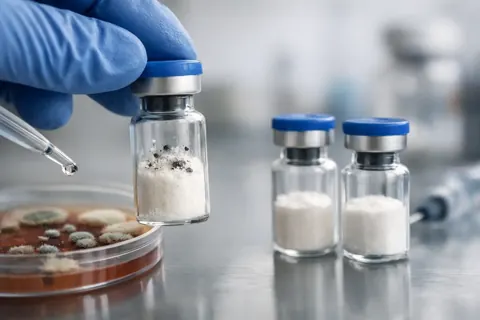
An unusual vial warrants investigation, not an immediate diagnosis. Separate visible observations from confirmed contamination using records and targeted testing.

Matching purity figures do not necessarily mean matching materials. Build a lot-review process around analytical comparability, composition and traceable records.

Skin-related peptide research spans matrix biology, metal binding and formulation science. Learn how to interpret its measurements and limitations.

Shipping conditions can affect peptide integrity without leaving visible signs. Learn how to assess transport risks, packaging, documentation and the condition of a research delivery.

A certificate is useful only when its results can be traced to the material under review. Examine batch identifiers, analytical methods and the limits of reported purity.

Documentation, regulatory context and supply-chain records provide a more useful view of European peptide markets than product popularity alone.

HPLC provides evidence of chromatographic purity, not a complete description of a peptide sample. Here is how to judge the result in context.

For researchers in Marbella, Málaga and the wider Costa del Sol, meaningful peptide quality starts with traceable analytical evidence—not geography, branding or broad biological claims.

Read a peptide label as a set of declarations to verify, then use its matching COA to assess identity evidence, reported content and traceability.

Peptide quality control is a sequence of connected checks, not a final purity score. Follow the evidence from synthesis through analytical review and handling.

A practical framework for interpreting GHK-Cu experiments across cell biology, biomaterials and analytical research.

A peptide certificate is a record of selected tests, not a universal quality promise. Learn to read its results alongside batch references and method limitations.

Metabolic peptides span several signalling systems. This guide explains how to compare pathways, evaluate endpoints and assess analytical records.

Assess a supplier by following the evidence from product label to analytical report, then reviewing how it handles questions, records and transit information.

Assess peptide literature and analytical documentation together, with clear boundaries between mechanistic findings, batch characteristics and research-only use.

A practical guide to following the evidence from a peptide listing to its batch records, analytical results and research-use documentation.

Why peptides and SARMs require different mechanistic questions, and how to assess their evidence, selectivity and batch documentation.

Read an HPLC report as a connected analytical record, checking batch references, method conditions and the difference between area purity and peptide content.

A research-focused comparison of amino-acid chains and steroid structures, explaining why mechanism, evidence and material verification must be assessed separately.

A model-focused look at GHK-Cu in hair research, covering follicular biology, experimental controls and the limits of molecular evidence.

A critical review framework that separates GHK-Cu mechanisms, model findings and material documentation from unsupported conclusions.

Look beyond the performance label: reliable interpretation depends on the experimental question, the study design and the records behind the research material.

A guide to metabolic peptide pathways and research evaluation, covering incretin and glucagon signalling, multi-receptor models, study limitations and batch verification.

GHK-Cu studies span molecular signalling, cell models and finished formulations. Understanding those differences is essential to interpreting the evidence.

Assess research peptides in Europe through a structured review of batch evidence, analytical methods, handling information and local requirements.
A model-focused comparison of BPC-157 and TB-500, with emphasis on molecular identity, endpoint selection and limits to mechanistic comparisons.

A credible-looking vial is only a starting point. Learn to assess batch records, analytical reports and supplier explanations without mistaking presentation for evidence.
Returning a lyophilised peptide to solution requires compound-specific decisions. Review solvent compatibility, handling limitations and the records needed for reproducible laboratory work.
The 99% figure usually describes chromatographic peak area, not total peptide content. Here is how to read it in context.

A purity percentage is a method-dependent result, not a complete quality verdict. Learn how to interpret chromatograms, peptide content and batch certificates.
How GHK-Cu is studied in cosmetic-science models, and why copper chemistry, matrix measurements and experimental context matter.
Why peptide storage decisions need material-specific evidence, and how laboratory records help distinguish handling problems from experimental variation.

An evidence-focused overview of BPC-157 experimental models, proposed mechanisms and the analytical checks needed to interpret research materials responsibly.

A comparison of two different categories: prescribed testosterone therapy and laboratory peptide materials, with a focus on evidence and analytical limits.

A professional-looking certificate is not enough. Follow the connection from vial to report, check what each method establishes and identify unanswered questions.

UK peptide legality depends on the compound and the activity involved. Separate classification, supply, importation and sporting rules before drawing conclusions.

Start with a research question, then assess mechanisms, evidence and batch records. This beginner’s guide explains what to compare and when to pause.

An overview of the pathways investigated in BPC-157 research, what animal models can establish and why replication and material verification matter.

A meaningful comparison separates a diverse family of signalling compounds from direct testosterone replacement, then examines mechanisms, evidence and documentation.

A practical guide to reading peptide testing records, distinguishing identity from purity and evaluating research-only suppliers in the UK.

A practical framework for reviewing supplier evidence, from matching batch reports to checking analytical limits and international delivery information.

Eight ways peptide sourcing can go wrong—and how an evidence-led procurement review can reduce avoidable uncertainty before material reaches the laboratory.

Build a defensible supplier shortlist by comparing the same evidence across candidates, rather than relying on price, presentation or catalogue size.

Explore why physical form changes peptide storage requirements, and how containers, environmental controls and handling records support reproducible research.

An educational guide to peptide research in ageing biology, separating pathway findings from broad claims and explaining why study design and material verification matter.

Start with peptide structure, then learn how evidence and analytical records fit together. A practical introduction to reading research claims critically.

The useful developments in peptide science are not just new compounds, but stronger ways to connect molecular design, analytical evidence and experimental interpretation.

From copper-binding peptides to carnosine, these seven research categories illustrate why mechanism, formulation and evidence quality matter more than a universal ranking.

A critical-reading guide to BPC-157 claims, from tracing experimental evidence to checking analytical reports and recognising unsupported conclusions.

Peptide function depends on more than a short amino acid chain. Explore receptor interactions, tissue signalling and the limits of laboratory observations.

Build a foundation in peptide science by separating molecular structure, research mechanisms and the documentation used to assess laboratory materials.

A molecule-first explanation of peptides and steroids, covering receptor signalling, the limits of safety comparisons and research quality control.

Peptides and SARMs often share an online audience, but their chemistry and experimental roles differ. Here is how to make a more precise comparison.

Why research suppliers and pharmacies are not interchangeable, and how to assess documentation within the correct supply framework.

European peptide shipments need route-specific checks, accurate declarations and evidence-based packaging decisions—not a universal promise about speed or condition.

A beginner’s guide to evaluating peptide combinations through clear questions, suitable comparisons, analytical records and realistic limits.

A documentation-led approach to international research peptide orders, covering analytical evidence, customs uncertainty, fulfilment and receiving records.

Peptide science connects molecular design with experimental evidence. Understand signalling, synthesis, analytical testing and the limits of mechanistic explanations.

Recovery is not a single experimental endpoint. Compare peptide categories by biological model, evidence quality and analytical documentation rather than broad claims.

Shipping origin affects more than distance. Compare customs exposure, carrier handovers, documentation and transport planning before arranging research-material delivery.

A practical procurement framework for researchers moving to larger peptide orders, with attention to batch records, inventory controls and supplier questions.

A critical guide to muscle-related peptide literature, with clear distinctions between pathway activity, tissue responses and demonstrated experimental outcomes.

Why ‘hormone optimisation’ is an imprecise label, how endocrine peptide pathways differ, and what to check when evaluating studies and research materials.

An illustrative enquiry from Spain shows how research-only support should explain batch evidence, technical terms and international delivery without overpromising.

A research-led look at cellular maintenance and longevity-related peptide studies, with a focus on endpoints, reproducibility and the limits of laboratory documentation.

Build a practical document file before procurement, checking that certificates, analytical results, labels and handling information all describe the same material.

Storage conditions are part of experimental quality control. Learn how seven common handling errors can introduce uncertainty into peptide research.

A sourcing process is only as credible as its records. Learn how supplier review, analytical methods and batch traceability fit together.

DSIP, endocrine peptides and circadian research compounds address different questions. Learn how to separate sleep-specific evidence from indirect biological links.

A research procurement guide to comparing supplier evidence, technical support and cross-border fulfilment without relying on rankings or price alone.

Plain packaging is only one part of discreet fulfilment. Learn how privacy, protective packing and batch documentation should work together for research materials.

Progress in longevity peptide research depends on sharper questions, reproducible experiments and documentation that supports scrutiny rather than broad anti-ageing claims.
Explore how GLP-1 receptor activation connects with cellular signalling, experimental metabolism and the interpretation of reference compounds.

Prepare a more useful research peptide enquiry with clear questions about documentation, scientific limitations, privacy and international delivery.
How tendon and gastrointestinal experiments inform BPC-157 research—and why their endpoints, mechanisms and limitations must remain distinct.

A practical framework for reviewing peptide identity, chromatographic purity, contamination testing and batch traceability without mistaking one result for complete assurance.
Two receptor pathways offer different ways to examine growth-hormone signalling. Compound identity, DAC status and model conditions shape interpretation.

Cross-border peptide delivery depends on the specific compound, route and destination—not simply on whether a supplier advertises international shipping.
RT provides a framework for investigating three-receptor signalling, with particular attention to glucagon activity, assay interpretation and batch characterisation.

HPLC separates sample components; mass spectrometry examines mass-to-charge signals. Learn how the methods complement each other and where their limits remain.
Research considerations for Marbella, Málaga and the wider Costa del Sol, covering analytical records, evidence boundaries and international fulfilment.
Interpreting TB-500 literature starts with checking which peptide was studied, before comparing migration, angiogenesis or repair-related endpoints.

A pathway-led explanation of metabolic peptide research, separating distinct mechanisms, experimental endpoints and material-verification questions.
A guide to the peptide origins, experimental endpoints and replication gaps that shape Selank and Semax research.

Reliable peptide preparation begins with compound-specific documentation, a defined laboratory concentration and a traceable handling record—not a universal mixing recipe.

A vendor comparison should test documentation, traceability and service separately. Learn which questions reveal useful evidence and which signals remain inconclusive.
How Epitalon became a research tool in telomere and circadian biology, and why laboratory findings do not establish longevity effects.
A laboratory guide to choosing compatible solvents, reducing repeated sample handling and documenting peptide preparation without assuming a universal storage window.

A convincing website is not evidence of reliable peptide supply. Use these seven checks to distinguish verifiable information from unsupported marketing.
How analytical documentation, import records and institutional review shape peptide procurement in London and the wider UK research network.
Why Melanotan II’s activity across several melanocortin receptors is useful for laboratory studies—and why it complicates interpretation.

A practical framework for comparing research peptide suppliers by documentation, handling, service and cost rather than promotional claims.
Why receptor selectivity, rather than shared incretin activity, is the starting point for comparing SM and TZ in laboratory research.
What the 16-amino-acid peptide MOTS-c contributes to mitochondrial signalling research, and why exercise-mimetic language needs careful qualification.

A practical framework for checking peptide purity claims, connecting analytical results to the supplied batch and recognising gaps in the evidence.
SS-31 research centres on mitochondrial membrane organisation. Here is how that mechanism informs experimental comparisons and evidence interpretation.
A concise guide to the alpha-MSH-derived tripeptide, its transport and signalling research, and the boundaries of preclinical interpretation.

A peptide COA is useful only when its findings connect to the relevant material. Learn which identifiers, results and supporting records to check.
An introduction to PT-141 as a cyclic melanocortin peptide, with emphasis on receptor interpretation, experimental models and material verification.
A research-focused introduction to Cagrilintide’s molecular design, receptor activity and use in comparisons with incretin-pathway compounds.

A careful guide to peptides discussed in muscle-recovery research, separating experimental mechanisms from unsupported performance claims.
How Tesamorelin’s modified GHRH sequence informs growth-hormone-axis research, and why identity testing and model-specific evidence matter.

Metabolic research needs precise questions, not a single “fat-loss” label. Explore how pathway selection, experimental endpoints and material evidence affect interpretation.
A practical guide to interpreting peptide certificates without confusing chromatographic purity, identity checks or powder composition with guarantees.
Choose a peptide supply format around experimental demand and batch records, rather than assuming a larger kit guarantees savings or consistency.

Searching for peptide therapy in Marbella can blur the boundary between clinical care and research supply. This guide explains that distinction and the records worth checking.
An introduction to NAD+ biology and precursor research, separating cellular measurements from broader claims about ageing.

An evidence-first guide for researchers in Spain, covering supplier claims, batch documentation, communication and the distinction between delivery coverage and local premises.
A short procurement framework covering supplier enquiries, analytical records, transport requirements and checks when a research batch arrives.

Learn how to distinguish a polished peptide storefront from a reviewable research supply process, using analytical records, handling questions and clear acceptance criteria.
US laboratories should assess import paperwork and transport suitability separately: neither tracking nor a batch report establishes a sample’s condition on arrival.

Discretion concerns the outside of a parcel. Research purchasing also requires traceable contents, interpretable testing and realistic delivery information.

Separate website convenience from procurement evidence with a staged review of documentation, support, payment policies and international delivery.

A research peptide supplier should be assessed through batch evidence and operational detail. This guide explains what to request, how to compare responses and which warning signs deserve attention.

An HPLC-tested label is a starting point. Assess the method, reporting, traceability and handling process before relying on a research peptide’s purity claim.

Read a peptide COA as a record of specific tests, not a universal guarantee. Start with batch matching, then examine methods, results and limitations.

Laboratory testing is useful when its scope and connection to the supplied batch are clear. Learn what HPLC, identity evidence and analytical reports can—and cannot—establish.

Research peptide safety is not established by a label or purity percentage. Examine material identity, analytical limits, handling risks and research-only boundaries.

An introduction to research peptides, their laboratory applications and the evidence needed to assess the material behind a product label.