
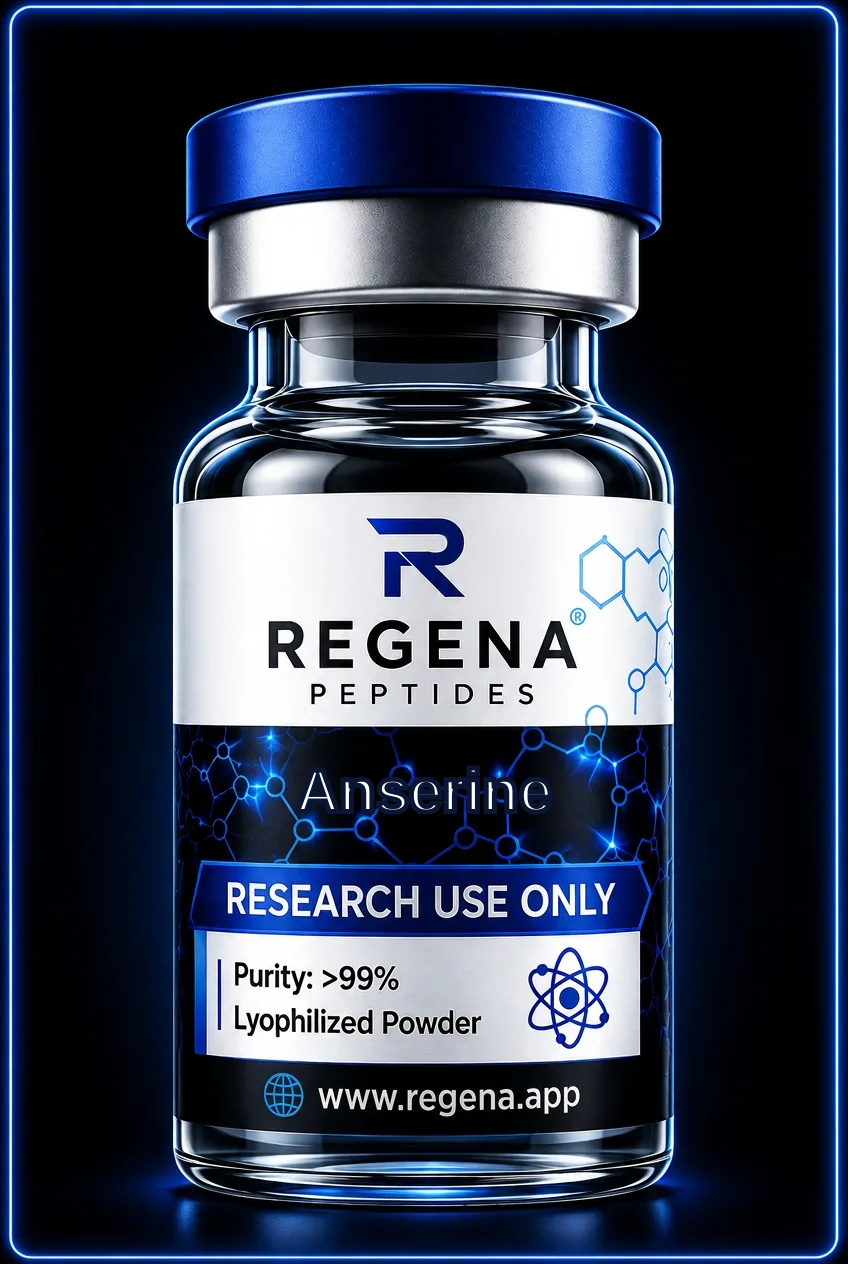
Other · Methylated histidine-containing dipeptide
Anserine
Also known as β-Alanyl-Nπ-methyl-L-histidine
A methylated carnosine analogue used to examine how histidine modification alters buffering, chemical reactivity and enzymatic stability.
- Length
- 2 amino acids
- Half-life
- Not well characterised
- Mechanism
- Anserine participates in proton buffering and can interact with metals and reactive chemical species through its methylated histidine-containing structure. Its laboratory activities are not attributed to an established selective receptor.
- Studied in
- Comparative biochemical assays, muscle extracts and cultured cells are used to study buffering, oxidative chemistry and enzymatic stability relative to carnosine.
About Anserine
Anserine is a naturally occurring dipeptide composed of β-alanine and Nπ-methyl-L-histidine. It differs from carnosine by methylation of one nitrogen in the histidine imidazole ring, rather than modification of the peptide backbone. Historically isolated from goose muscle, it occurs in the skeletal muscle of numerous birds, fish and mammals. Its abundance is species-dependent, making it a useful analyte in comparative muscle biochemistry and studies of histidine-containing dipeptide metabolism.
Ring methylation changes the chemical environment of the imidazole group and can influence buffering, metal interactions and susceptibility to enzymatic cleavage. These differences are investigated using matched comparisons with carnosine under controlled pH and matrix conditions. Anserine is not characterised as a selective receptor agonist. Claims about chemical reactivity should identify the oxidant or carbonyl substrate tested, because results from one cell-free assay do not establish a general mechanism across biological systems.
Laboratory notes
- Confirm the methylhistidine positional isomer analytically; anserine and balenine have the same molecular mass but different ring methylation.
- Use authentic standards and a validated chromatographic separation when quantifying anserine alongside carnosine and related dipeptides.
- Match pH, ionic strength and metal content when comparing anserine with unmethylated carnosine.
Storage and reconstitution basics: storage guide.
Questions about Anserine
How does anserine differ from carnosine?
Anserine contains Nπ-methylhistidine in place of histidine. The β-alanyl linkage is retained.
Is anserine the same compound as balenine?
No. They are positional isomers with methyl groups on different imidazole nitrogens. Mass measurement alone does not distinguish them.
Can carnosine stability data be applied to anserine?
Not directly. Ring methylation can alter enzyme recognition, and degradation must be assessed with the relevant enzyme preparation or biological matrix.
Is Anserine for human use?
No. It is supplied strictly for in-vitro laboratory research and is not for human or animal consumption.
Related research peptides
All products are sold for laboratory research use only. Not for human consumption, not a medicine, not for diagnosing, treating or preventing any condition.