
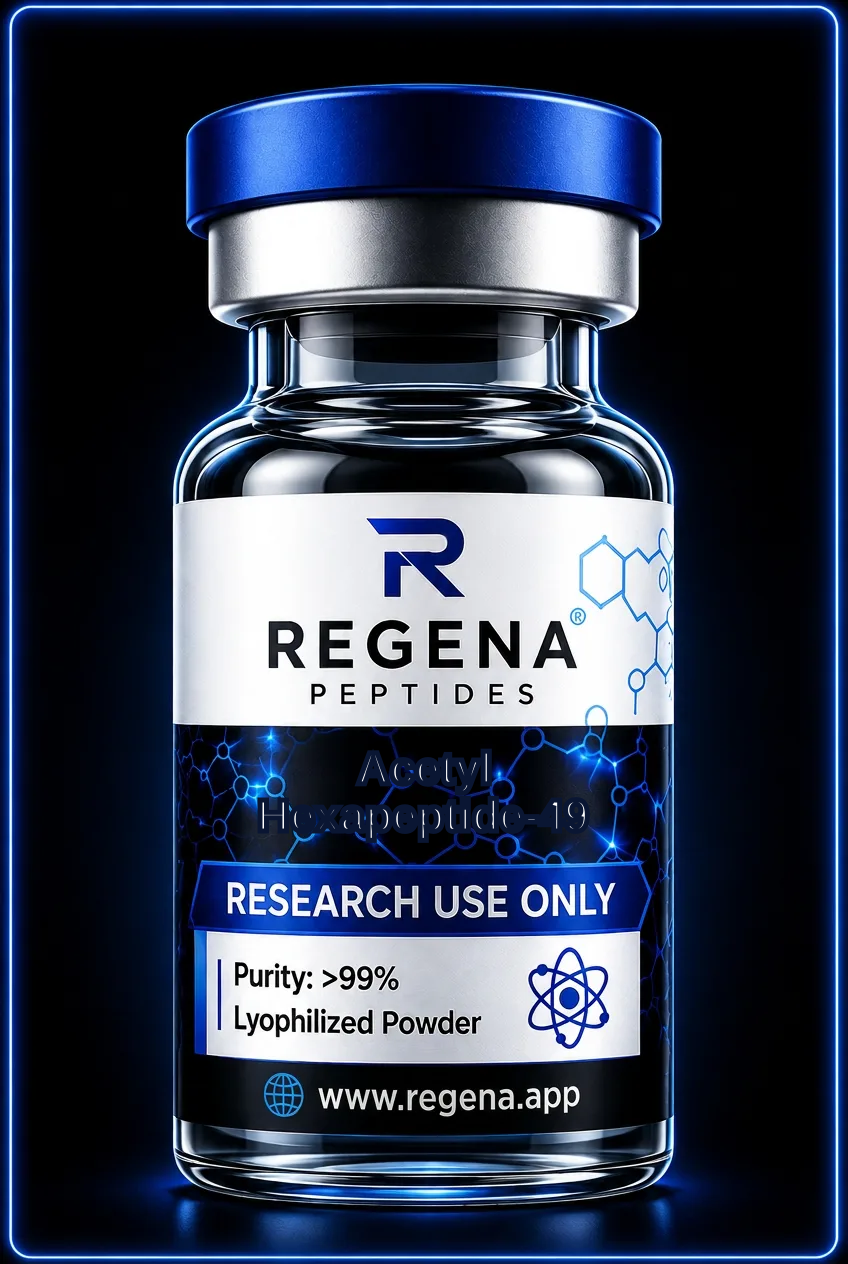
Cosmetic · N-terminally acetylated synthetic hexapeptide
Acetyl Hexapeptide-49
Also known as —
An acetylated hexapeptide associated with exploratory research into PAR2-related signalling in skin-cell models.
- Length
- 6 amino acids
- Half-life
- Not well characterised
- Mechanism
- Supplier descriptions associate this peptide with modulation of protease-activated receptor 2 (PAR2)-related signalling. Direct receptor binding, antagonist potency and selectivity are not established sufficiently in independent literature to describe it as a validated PAR2 antagonist.
- Studied in
- Relevant exploratory models include cultured keratinocytes with protease-triggered PAR2 activation, using calcium signalling and inflammatory mediator measurements as readouts.
About Acetyl Hexapeptide-49
Acetyl Hexapeptide-49 is a synthetic six-residue peptide bearing an acetyl modification at its amino terminus. Its numerical designation is a cosmetic ingredient identifier, not a sequence description or evidence of a particular receptor target. Publicly accessible independent literature provides limited structural and discovery information. A sequence, stereochemical specification and molecular formula should therefore be obtained from the supplier rather than inferred from the ingredient name or from related acetylated hexapeptides.
Research descriptions link the material to protease-activated receptor 2, a receptor activated through proteolytic exposure of a tethered ligand. In keratinocyte experiments, PAR2-associated responses can be examined through intracellular calcium, kinase phosphorylation and mediator release. Changes in these endpoints alone do not establish direct receptor antagonism: protease inhibition, cytotoxicity and downstream signalling effects can produce similar results. Receptor-deficient cells and receptor-activating peptide controls are useful for separating these possibilities in research-only assays.
Laboratory notes
- Confirm the sequence, acetylation site, counterion and analytical purity on the batch certificate; the ingredient name alone does not define all structural details.
- Establish solubility and stability experimentally in the selected assay buffer, following the batch-specific storage guidance.
- Include viability, protease-activity and receptor-independent signalling controls when interpreting PAR2-associated endpoints.
Storage and reconstitution basics: storage guide.
Questions about Acetyl Hexapeptide-49
Is Acetyl Hexapeptide-49 a confirmed PAR2 antagonist?
It is associated with PAR2-related signalling in supplier descriptions, but independently established binding, antagonist potency and selectivity data are limited.
Does the number 49 specify its amino acid sequence?
No. It distinguishes the named ingredient; a supplier sequence specification is needed to establish residue order and stereochemistry.
Can reduced calcium signalling demonstrate direct receptor binding?
No. Reduced calcium signalling may reflect effects on the activating protease, receptor signalling machinery or cell viability. Orthogonal receptor assays are needed.
Is Acetyl Hexapeptide-49 for human use?
No. It is supplied strictly for in-vitro laboratory research and is not for human or animal consumption.
Related research peptides
All products are sold for laboratory research use only. Not for human consumption, not a medicine, not for diagnosing, treating or preventing any condition.