
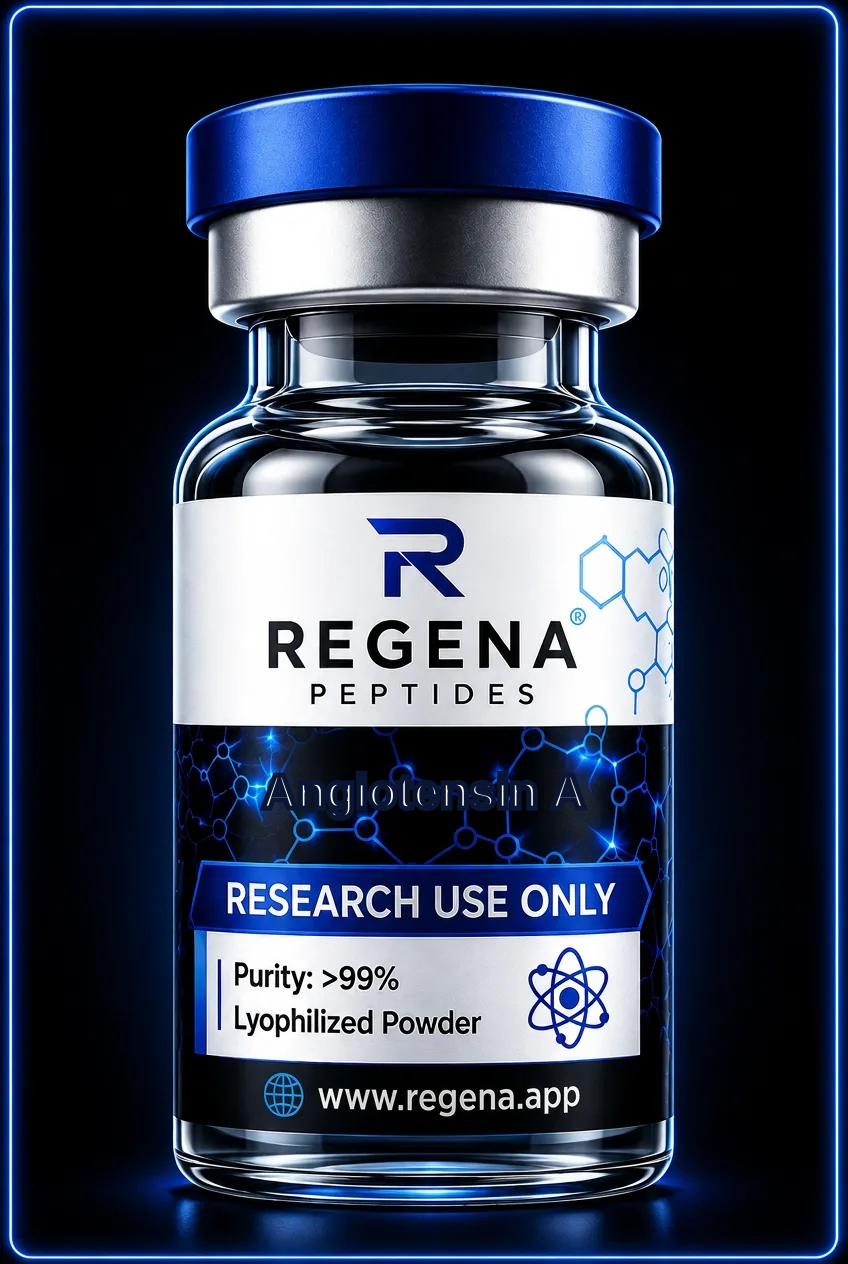
Cardiovascular · N-terminal alanine angiotensin analogue; angiotensin receptor ligand
Angiotensin A
Also known as Ang A; [Ala¹]-angiotensin II
An alanine-substituted angiotensin octapeptide linking angiotensin receptor pharmacology with alamandine formation.
- Length
- 8 amino acids
- Half-life
- Not well characterised
- Mechanism
- Angiotensin A engages angiotensin receptors and produces AT1-dependent responses in experimental preparations; binding studies also report AT2 interaction. ACE2 can remove its C-terminal phenylalanine to generate alamandine, creating a link to MrgD-associated signalling.
- Studied in
- Receptor-binding assays, isolated vascular preparations and rodent models investigate angiotensin A receptor pharmacology and its enzymatic conversion to alamandine.
About Angiotensin A
Angiotensin A is the octapeptide Ala–Arg–Val–Tyr–Ile–His–Pro–Phe, differing from angiotensin II only at the first residue. Reported in 2007 following plasma peptide analysis, it expanded the recognised set of endogenous angiotensin-related molecules. Decarboxylation of the N-terminal aspartate of angiotensin II was proposed as its formation mechanism, yielding alanine. The detailed enzymology and quantitative importance of this pathway remain less established than the classical renin–ACE processing cascade.
Experimental work supports AT1-dependent activity, while receptor-binding studies also describe interaction with AT2 receptors. These findings do not establish angiotensin A as an exclusively selective ligand for either receptor subtype. ACE2 cleavage produces alamandine by removing the terminal phenylalanine, changing both peptide length and the receptor pathway under investigation. Product-resolved assays are therefore valuable when comparing angiotensin A with angiotensin II, particularly in preparations containing ACE2 or other active peptidases.
Laboratory notes
- For research use only. Verify the N-terminal alanine by sequence-resolving analysis; the remainder of the sequence matches angiotensin II.
- Include peptide-processing controls in ACE2-containing systems and monitor alamandine formation where feasible.
- Do not equate receptor-binding affinity with functional selectivity; compare binding data with receptor-specific signalling assays.
Storage and reconstitution basics: storage guide.
Questions about Angiotensin A
What distinguishes angiotensin A from angiotensin II?
Angiotensin A starts with alanine rather than aspartate. The other seven residues are identical.
Is its proposed formation pathway fully established?
No. N-terminal aspartate decarboxylation has been proposed and experimentally investigated, but the responsible enzymology and its contribution across biological settings remain incompletely defined.
How is angiotensin A related to alamandine?
ACE2 can cleave the C-terminal phenylalanine from angiotensin A, producing the seven-residue peptide alamandine.
Is Angiotensin A for human use?
No. It is supplied strictly for in-vitro laboratory research and is not for human or animal consumption.
Related research peptides
All products are sold for laboratory research use only. Not for human consumption, not a medicine, not for diagnosing, treating or preventing any condition.