
Cardiovascular · Kinin peptide
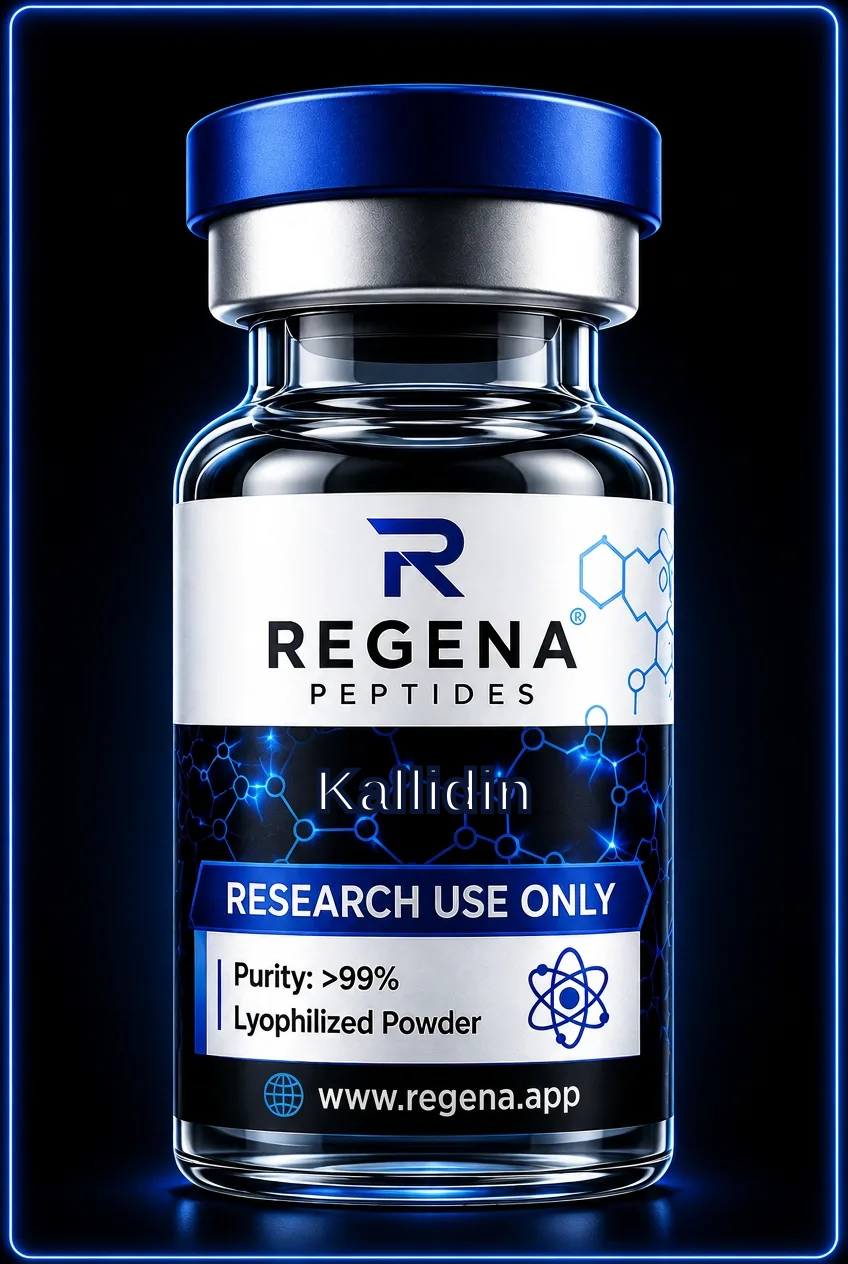
Kallidin
Also known as Lysyl-bradykinin, Lys-BK
Kallidin is a 10-amino acid kinin peptide that acts on bradykinin receptors, used in research on inflammation, pain, and blood pressure regulation.
- Length
- 10 amino acids
- Half-life
- Very short, seconds to minutes in plasma
- Mechanism
- Acts as a potent agonist of the bradykinin B2 receptor and, to a lesser extent, the B1 receptor upon conversion to des-Arg10-kallidin.
- Studied in
- This peptide is used in laboratory investigations of the kallikrein-kinin system, focusing on its role in vasodilation, inflammation, and pain signalling.
About Kallidin
Kallidin, also known as lysyl-bradykinin, is a decapeptide that belongs to the kinin family of peptides. It is generated from low-molecular-weight kininogen by the action of tissue kallikreins. Structurally, it is identical to bradykinin but with an additional N-terminal lysine residue.
As a research tool, kallidin serves as a potent vasodilator and pro-inflammatory mediator. It is used in models to study the physiological and pathophysiological roles of the kallikrein-kinin system, including blood pressure regulation, vascular permeability, smooth muscle contraction, and nociception. Its effects are primarily mediated through the G protein-coupled bradykinin B2 receptor.
Laboratory notes
- Extremely short half-life in vivo due to rapid degradation by kininases such as angiotensin-converting enzyme (ACE).
- Store lyophilised powder at -20°C and use reconstituted solutions promptly, as it is known to be unstable in solution.
- When using in cell culture, consider serum-free conditions if possible, as serum contains kininases that will rapidly degrade the peptide.
Storage and reconstitution basics: storage guide.
Questions about Kallidin
What is the relationship between kallidin and bradykinin?
Kallidin is lysyl-bradykinin; it has the same core sequence as bradykinin with an extra lysine at the N-terminus. It can be converted to bradykinin by aminopeptidases.
Which enzyme produces kallidin?
Tissue kallikreins cleave low-molecular-weight kininogen (LMWK) to release kallidin.
What receptor does kallidin primarily target?
It is a potent agonist for the bradykinin B2 receptor, similar to bradykinin itself.
Is Kallidin for human use?
No. It is supplied strictly for in-vitro laboratory research and is not for human or animal consumption.
Related research peptides
All products are sold for laboratory research use only. Not for human consumption, not a medicine, not for diagnosing, treating or preventing any condition.