
Cardiovascular · Polypeptide hormone
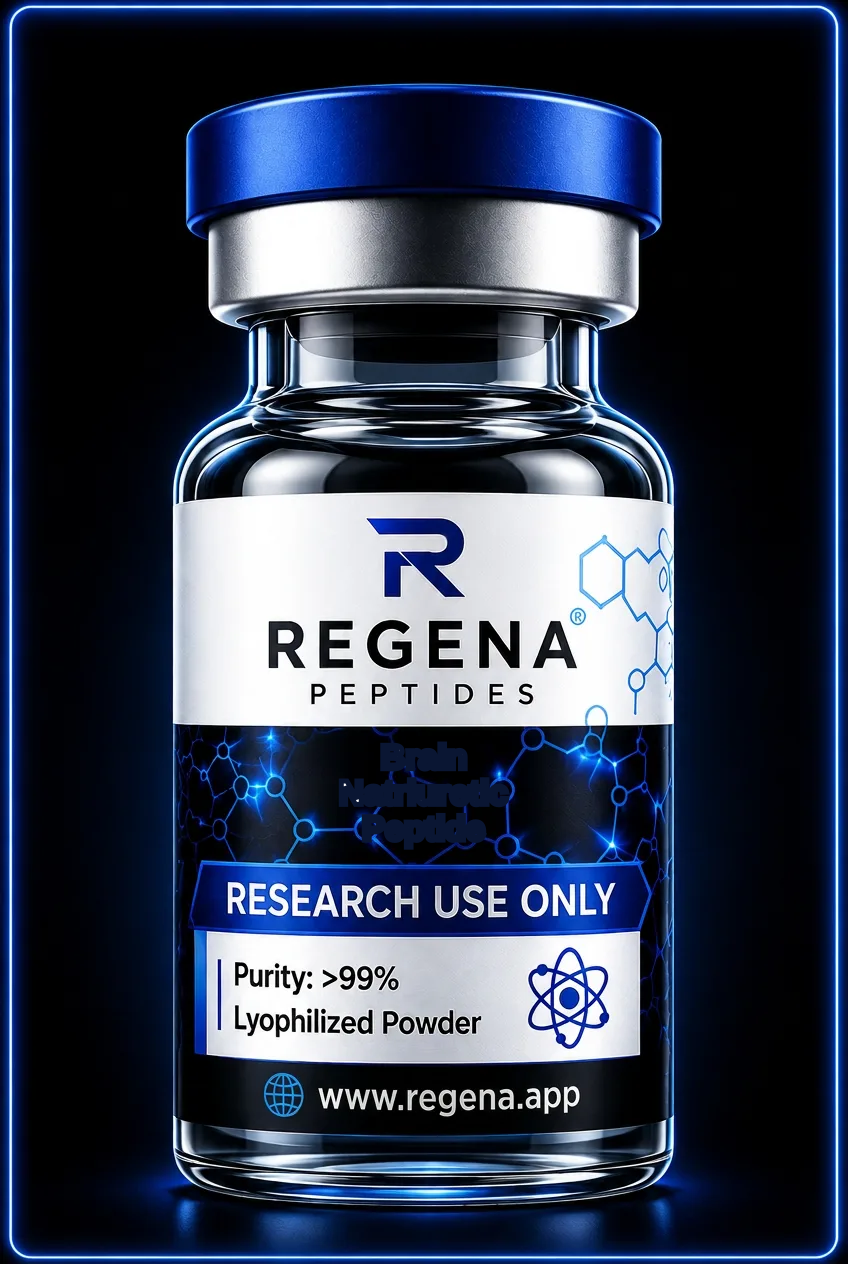
Brain Natriuretic Peptide (BNP)
Also known as BNP-32
A 32-amino acid cardiac hormone, primarily from the ventricles, used in cardiovascular research to study fluid balance and ventricular stress.
- Length
- 32 amino acids
- Half-life
- Approximately 20 minutes (in plasma)
- Mechanism
- Binds to the natriuretic peptide receptor-A (NPR-A) to stimulate cGMP production, which results in vasodilation, natriuresis, and diuresis.
- Studied in
- As a reference compound with a clinical history, it is used in lab models to examine cardiac function, fluid homeostasis, and NPR-A-mediated signaling.
About Brain Natriuretic Peptide (BNP)
Brain Natriuretic Peptide (BNP) is a 32-amino acid polypeptide hormone that, despite its name, is primarily synthesized and secreted by cardiac ventricular myocytes. Its release is stimulated by ventricular stretch or pressure overload. It belongs to the natriuretic peptide family along with ANP and CNP.
Functionally similar to ANP, BNP binds to the natriuretic peptide receptor-A (NPR-A) and stimulates cGMP-mediated pathways that lead to vasodilation and increased renal sodium and water excretion. Due to its longer plasma half-life compared to ANP, it is a subject of significant interest in studies of sustained cardiac stress and fluid imbalance. Both the active BNP-32 and its precursor, proBNP, are valuable tools in cardiovascular research.
Laboratory notes
- The active human form, BNP-32, is cleaved from a 108-amino acid prohormone (proBNP).
- BNP has a significantly longer plasma half-life (~20 minutes) compared to ANP (~2-5 minutes).
- Store lyophilised BNP at -20°C or colder; reconstituted aliquots should be stored frozen to maintain stability.
Storage and reconstitution basics: storage guide.
Questions about Brain Natriuretic Peptide (BNP)
Why is it called 'Brain' Natriuretic Peptide?
The peptide was first isolated from porcine brain tissue, leading to its name. However, in humans, the primary source of circulating BNP is the cardiac ventricles.
How does the half-life of BNP compare to ANP?
BNP has a substantially longer plasma half-life (approx. 20 minutes) than ANP (approx. 2-5 minutes), which is a key difference in their physiological profiles.
What is the primary stimulus for BNP secretion in experimental models?
The main stimulus for BNP release from ventricular cardiomyocytes is mechanical stretch caused by increased intracardiac volume or pressure.
Is Brain Natriuretic Peptide (BNP) for human use?
No. It is supplied strictly for in-vitro laboratory research and is not for human or animal consumption.
Related research peptides
All products are sold for laboratory research use only. Not for human consumption, not a medicine, not for diagnosing, treating or preventing any condition.