
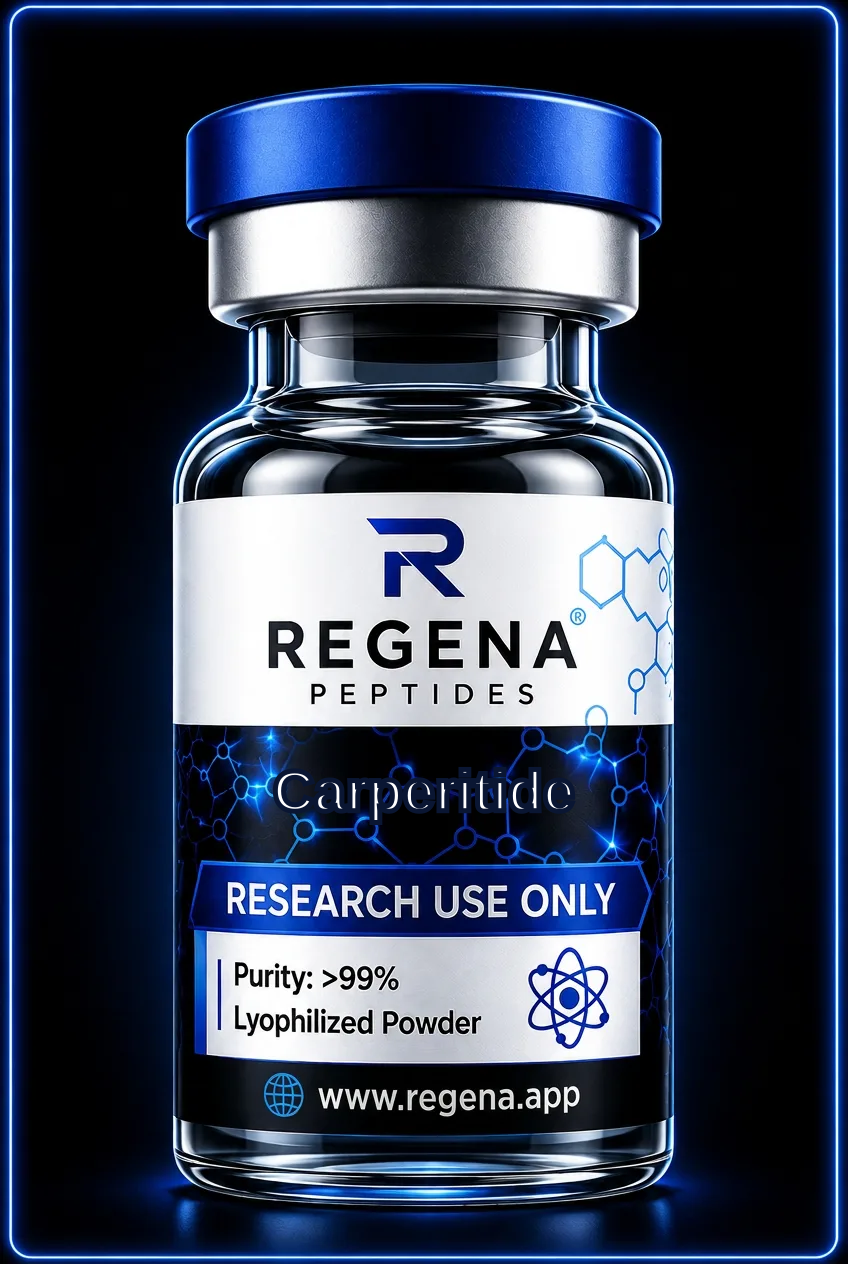
Cardiovascular · Natriuretic Peptide
Carperitide
Also known as Alpha-human atrial natriuretic polypeptide (α-hANP)
Carperitide is a 28-amino acid synthetic analogue of human atrial natriuretic peptide (ANP), used in lab models to study cardiovascular homeostasis.
- Length
- 28 amino acids
- Half-life
- Approximately 2-3 minutes in human plasma
- Mechanism
- Carperitide functions as an agonist for natriuretic peptide receptors (NPR-A and NPR-B), stimulating cyclic GMP production and promoting vasodilation and diuresis.
- Studied in
- Laboratory models utilize Carperitide to investigate mechanisms of vasodilation, natriuresis, and fluid homeostasis in cardiovascular research.
About Carperitide
Carperitide is the synthetic form of alpha-human atrial natriuretic polypeptide (α-hANP), a cardiac hormone involved in regulating blood pressure and extracellular fluid volume. Its structure comprises 28 amino acids with a 17-residue ring formed by a disulfide bond between two cysteine residues. This molecule is a reference compound with a clinical history.
In research settings, its primary mechanism involves binding to natriuretic peptide receptor-A (NPR-A), which activates guanylate cyclase and increases intracellular cyclic GMP (cGMP). This second messenger cascade leads to smooth muscle relaxation, vasodilation, and increased renal excretion of sodium and water in relevant models. These properties make it a standard tool for studying the physiological and pathological roles of the natriuretic peptide system.
Laboratory notes
- Carperitide is highly susceptible to degradation by neutral endopeptidase (NEP); co-incubation with NEP inhibitors may be required in some experimental designs.
- Solutions should be prepared fresh using sterile, deionised water or appropriate buffer, as stability in solution is limited.
- Due to its disulfide bridge, proper folding is critical for activity; ensure appropriate reconstitution protocols are followed to prevent aggregation.
Storage and reconstitution basics: storage guide.
Questions about Carperitide
What is the molecular structure of Carperitide?
Carperitide is a 28-amino acid polypeptide, structurally identical to the endogenous alpha-human atrial natriuretic polypeptide (α-hANP).
What is the primary receptor target for Carperitide?
The primary receptor target for Carperitide is the natriuretic peptide receptor-A (NPR-A).
Why is Carperitide sold for research use only?
Regena products, including Carperitide, are intended exclusively for in-vitro laboratory research and are not for human or animal consumption or administration.
Is Carperitide for human use?
No. It is supplied strictly for in-vitro laboratory research and is not for human or animal consumption.
Related research peptides
All products are sold for laboratory research use only. Not for human consumption, not a medicine, not for diagnosing, treating or preventing any condition.