
Cardiovascular · Peptide Hormone
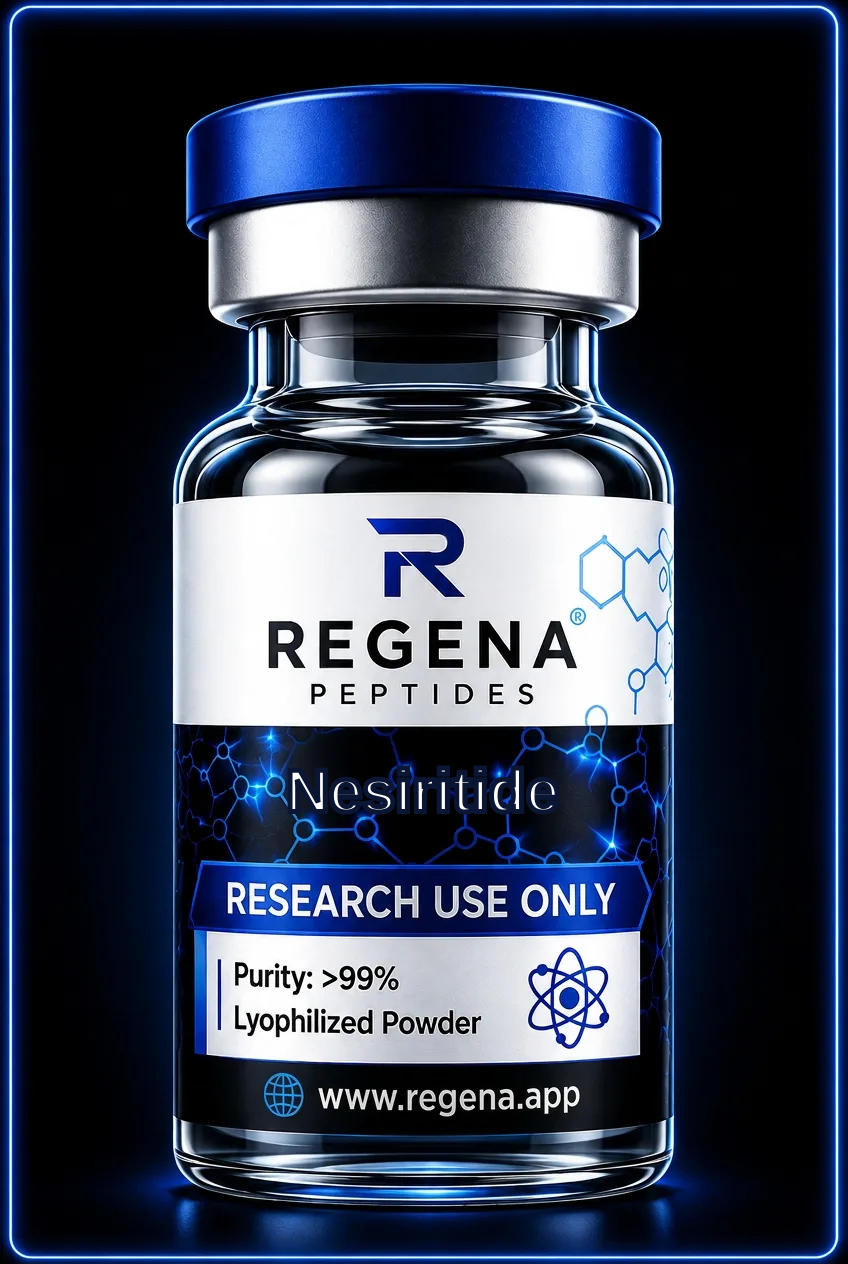
Nesiritide
Also known as hBNP-32
Nesiritide is the recombinant form of human B-type natriuretic peptide (hBNP-32), studied for its vasodilatory effects. A reference compound.
- Length
- 32 amino acids
- Half-life
- Approximately 18 minutes in plasma
- Mechanism
- This recombinant peptide binds to natriuretic peptide receptor-A (NPR-A), increasing intracellular cGMP and leading to smooth muscle relaxation.
- Studied in
- In cardiovascular research, it is used in isolated vessel preparations and animal models to study vasodilation, natriuresis, and neurohormonal inhibition.
About Nesiritide
Nesiritide is a synthetic peptide identical to the endogenous 32-amino-acid human B-type natriuretic peptide (BNP). It is produced using recombinant DNA technology. This molecule is a reference compound with a clinical history and a valuable tool for cardiovascular research.
Its mechanism involves binding to the particulate guanylate cyclase receptor, natriuretic peptide receptor A (NPR-A), on vascular smooth muscle and endothelial cells. This activation increases intracellular levels of cyclic GMP (cGMP), which mediates smooth muscle cell relaxation and subsequent vasodilation. In renal models, it is used to study its effects on diuresis and natriuresis.
Laboratory notes
- Nesiritide is cleared from circulation via binding to the natriuretic peptide clearance receptor (NPR-C) and degradation by neutral endopeptidase.
- In vitro, it can bind to heparin, which may affect its measured concentration and activity in certain assays.
- Reconstituted solutions should be handled gently and not vigorously agitated to prevent peptide degradation or aggregation.
Storage and reconstitution basics: storage guide.
Questions about Nesiritide
Is Nesiritide the same as endogenous BNP?
Yes, Nesiritide is the recombinant version of the 32-amino acid human B-type natriuretic peptide (BNP) and is structurally identical.
What is its main effect in laboratory models?
In cardiovascular models, its primary documented effects are vasodilation (widening of blood vessels) and the promotion of salt and water excretion by the kidneys.
How does Nesiritide's mechanism differ from that of nitroglycerin?
While both increase cGMP, Nesiritide works by activating a cell surface receptor (NPR-A). Nitroglycerin is a nitric oxide donor, which stimulates a different, soluble form of guanylate cyclase inside the cell.
Is Nesiritide for human use?
No. It is supplied strictly for in-vitro laboratory research and is not for human or animal consumption.
Related research peptides
All products are sold for laboratory research use only. Not for human consumption, not a medicine, not for diagnosing, treating or preventing any condition.