
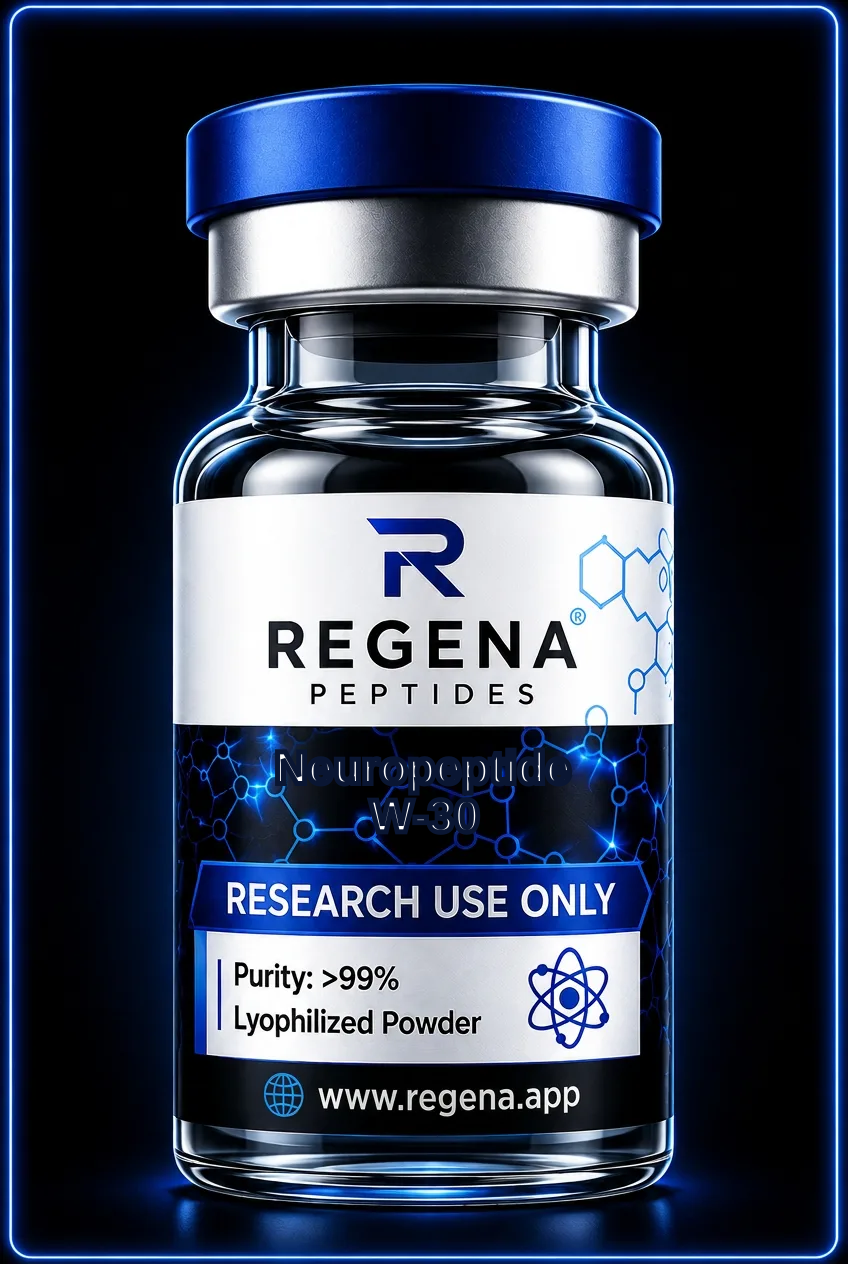
Other · Neuropeptide B/W receptor agonist
Neuropeptide W-30
Also known as NPW-30; NPW30
A 30-residue neuropeptide B/W receptor agonist with terminal tryptophans, used in receptor and neuroendocrine research.
- Length
- 30 amino acids
- Half-life
- Not well characterised
- Mechanism
- Neuropeptide W-30 is an agonist at NPBWR1 (GPR7) and NPBWR2 (GPR8). These predominantly Gi/o-coupled receptors can suppress stimulated cyclic AMP production, while downstream responses vary with cellular context.
- Studied in
- Recombinant receptor systems, hypothalamic and brainstem preparations, and rodent neuroendocrine models study NPW-30 receptor signalling and neuronal circuit activity.
About Neuropeptide W-30
Neuropeptide W-30 is a naturally occurring, 30-residue product of the NPW precursor. Neuropeptide W was identified in 2002 through research on endogenous ligands for the orphan receptors GPR7 and GPR8. The W designation refers to tryptophan, which occurs at both ends of the 30-residue peptide. A shorter form, NPW-23, shares its N-terminal sequence but lacks the seven-residue C-terminal extension found in NPW-30, providing a useful comparison for processing and structure–activity studies.
NPW-30 activates both NPBWR1 and NPBWR2, linking the NPW precursor to the same receptor family recognised by neuropeptide B. Recombinant assays commonly quantify inhibition of stimulated cyclic AMP, while neuronal preparations examine changes in electrical activity and neuroendocrine signalling. Apparent differences between NPW-30 and NPW-23 should be interpreted within matched assay conditions. Rodent experiments mainly inform NPBWR1 biology because mice and rats lack a direct counterpart of the human NPBWR2 receptor.
Laboratory notes
- Verify the full 30-residue sequence and distinguish it from NPW-23, especially when comparing processing products.
- The methionine and tryptophan residues warrant attention to oxidation; minimise unnecessary light exposure and confirm integrity after prolonged assay incubation.
- Compare receptor subtypes using matched expression and signalling conditions, since receptor reserve can affect apparent agonist potency.
Storage and reconstitution basics: storage guide.
Questions about Neuropeptide W-30
How does NPW-30 differ structurally from NPW-23?
NPW-30 retains a seven-residue C-terminal extension beyond the shared 23-residue N-terminal sequence.
Why is the peptide called neuropeptide W?
W is the single-letter code for tryptophan. The 30-residue form has tryptophan at both its N- and C-termini.
Is NPW-30 selective for just one NPB/W receptor?
No. It activates both NPBWR1 and NPBWR2; relative potency must be established in a defined, matched assay system.
Is Neuropeptide W-30 for human use?
No. It is supplied strictly for in-vitro laboratory research and is not for human or animal consumption.
Related research peptides
All products are sold for laboratory research use only. Not for human consumption, not a medicine, not for diagnosing, treating or preventing any condition.