
Hormone · Neuropeptide hormone
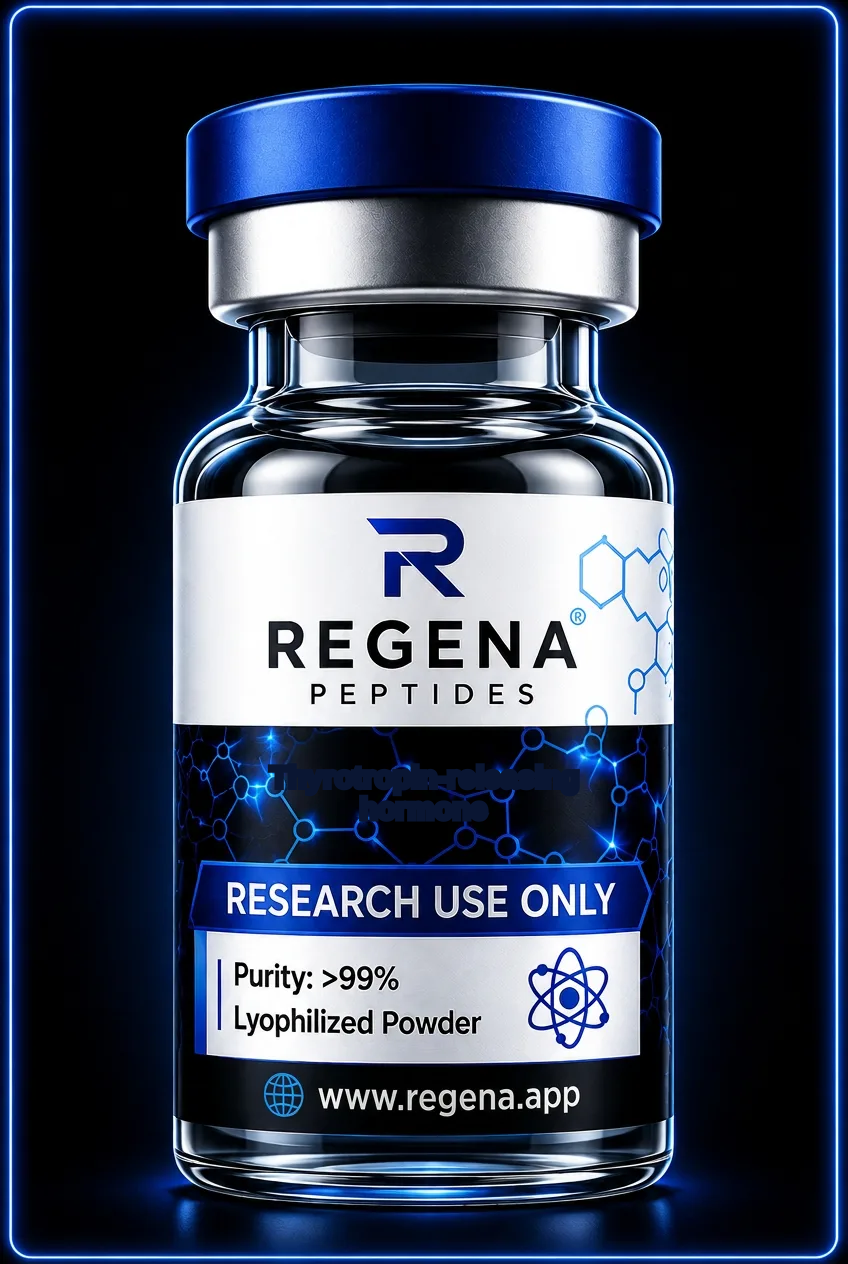
Thyrotropin-releasing hormone (TRH)
Also known as Protirelin
A tripeptide hormone that stimulates pituitary TSH release, used in lab research to investigate the thyroid axis.
- Length
- 3 amino acids
- Half-life
- Approximately 5 minutes (plasma)
- Mechanism
- Binds to TRH receptors in the anterior pituitary, stimulating the synthesis and release of thyroid-stimulating hormone (TSH) and prolactin.
- Studied in
- Employed as a research tool in endocrinology to study the hypothalamic-pituitary-thyroid axis and its regulation.
About Thyrotropin-releasing hormone (TRH)
Thyrotropin-releasing hormone (TRH) is a small tripeptide hormone produced by the hypothalamus. Its structure is pGlu-His-Pro-NH2, featuring a pyroglutamyl N-terminus and a prolinamide C-terminus. These modifications confer stability against degradation by peptidases.
TRH functions as the primary positive regulator of the hypothalamic-pituitary-thyroid (HPT) axis. It binds to its G-protein coupled receptors on thyrotrope cells in the anterior pituitary, which initiates a signaling cascade leading to the secretion of thyroid-stimulating hormone (TSH). It is a reference compound with a clinical history and a standard reagent in neuroendocrinology research.
Laboratory notes
- Due to its small size and modified structure, specific antibodies are required for reliable immunodetection.
- TRH has a very short plasma half-life, a key consideration for the design of in vivo experimental protocols.
- In addition to its pituitary effects, TRH also functions as a neurotransmitter/neuromodulator in the central and peripheral nervous systems.
Storage and reconstitution basics: storage guide.
Questions about Thyrotropin-releasing hormone (TRH)
What is the structure of TRH?
It is a tripeptide with the sequence pyroglutamate-histidine-prolinamide.
What is its main endocrine function?
To stimulate the release of thyroid-stimulating hormone (TSH) and prolactin from the anterior pituitary gland.
Is its function limited to the pituitary?
No, TRH is also found throughout the central nervous system, where it is studied for its role as a neuromodulator.
Is Thyrotropin-releasing hormone (TRH) for human use?
No. It is supplied strictly for in-vitro laboratory research and is not for human or animal consumption.
Related research peptides
All products are sold for laboratory research use only. Not for human consumption, not a medicine, not for diagnosing, treating or preventing any condition.