
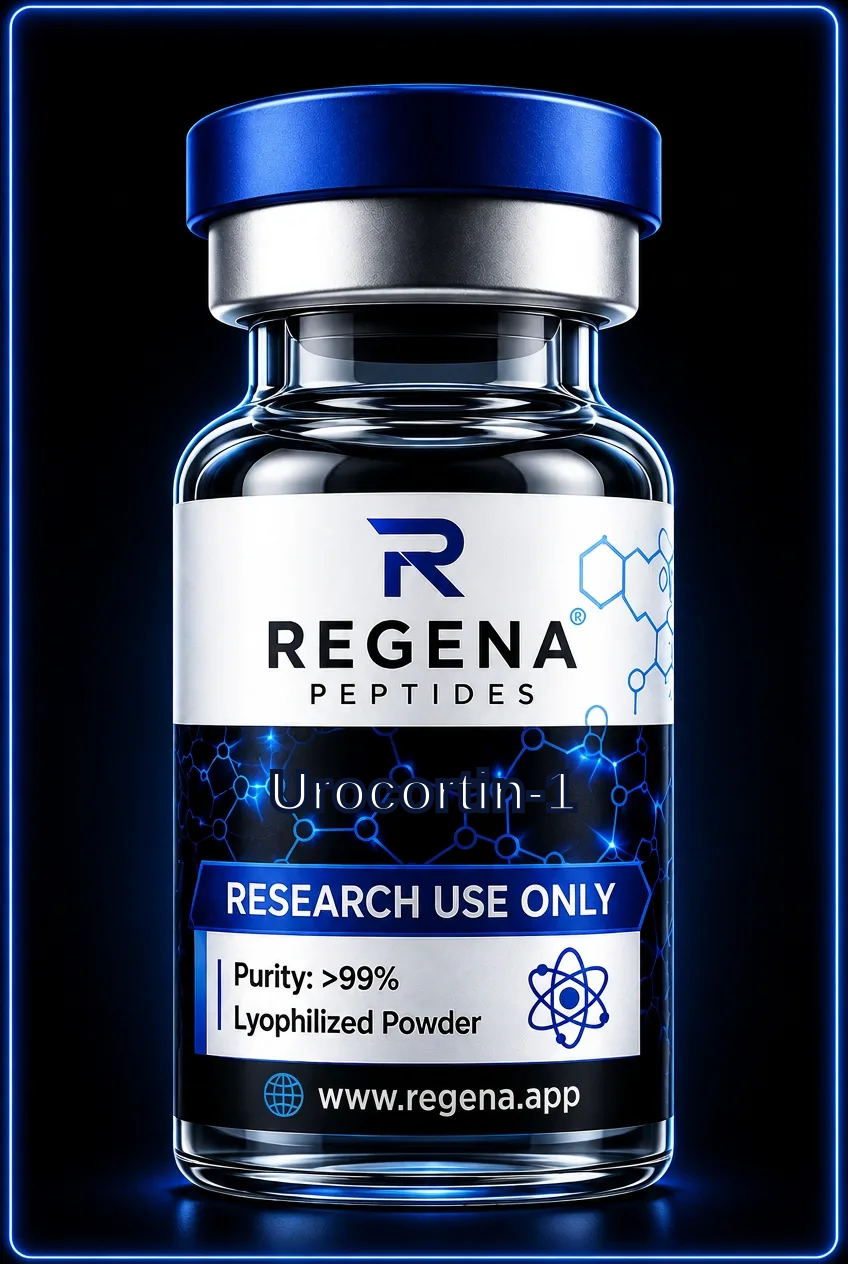
Cardiovascular · Neuropeptide
Urocortin-1
Also known as UCN1
Urocortin-1 is a neuropeptide related to CRF that activates both CRF-R1 and CRF-R2, used to study stress and cardiovascular control.
- Length
- 40 amino acids
- Half-life
- Not well characterised
- Mechanism
- Functions as a high-affinity agonist for both corticotropin-releasing factor receptor 1 (CRF-R1) and corticotropin-releasing factor receptor 2 (CRF-R2).
- Studied in
- Investigated in cardiovascular and neuroscience models for its roles in stress response, cardiovascular function, and appetite regulation.
About Urocortin-1
Urocortin-1 is a neuropeptide belonging to the corticotropin-releasing factor (CRF) family. Structurally, it shares approximately 45% sequence identity with CRF and is predominantly expressed in the brain, but is also found in peripheral tissues like the heart and gut.
In the laboratory, Urocortin-1 serves as a potent tool to study the integrated physiological effects of the CRF system. Unlike CRF, which preferentially binds to CRF-R1, Urocortin-1 is a non-selective agonist for both CRF-R1 and CRF-R2. This property is exploited in research to examine its potent cardiovascular effects, such as vasodilation, as well as its anorectic effects mediated through central pathways.
Laboratory notes
- Urocortin-1, -2, and -3 have distinct receptor selectivity profiles; select the appropriate peptide based on the target receptor (CRF-R1 vs CRF-R2).
- The peptide's effects can be central or peripheral; experimental design should account for the location of administration in animal models.
- Reconstitute with a slightly acidic buffer to ensure solubility, and handle with care as it is a potent biological molecule.
Storage and reconstitution basics: storage guide.
Questions about Urocortin-1
How does Urocortin-1 differ from Corticotropin-Releasing Factor (CRF)?
While structurally related, Urocortin-1 binds with high affinity to both CRF-R1 and CRF-R2, whereas CRF shows a strong preference for CRF-R1.
What are the main research areas for Urocortin-1?
It is widely studied in the context of cardiovascular regulation (e.g., blood pressure, heart function) and the central nervous system's response to stress.
Can Urocortin-1 influence the HPA axis?
Yes, it can influence the HPA axis through its action on CRF receptors, but it also has significant functions outside of this classical stress axis.
Is Urocortin-1 for human use?
No. It is supplied strictly for in-vitro laboratory research and is not for human or animal consumption.
Related research peptides
All products are sold for laboratory research use only. Not for human consumption, not a medicine, not for diagnosing, treating or preventing any condition.