
Longevity · Tripeptide
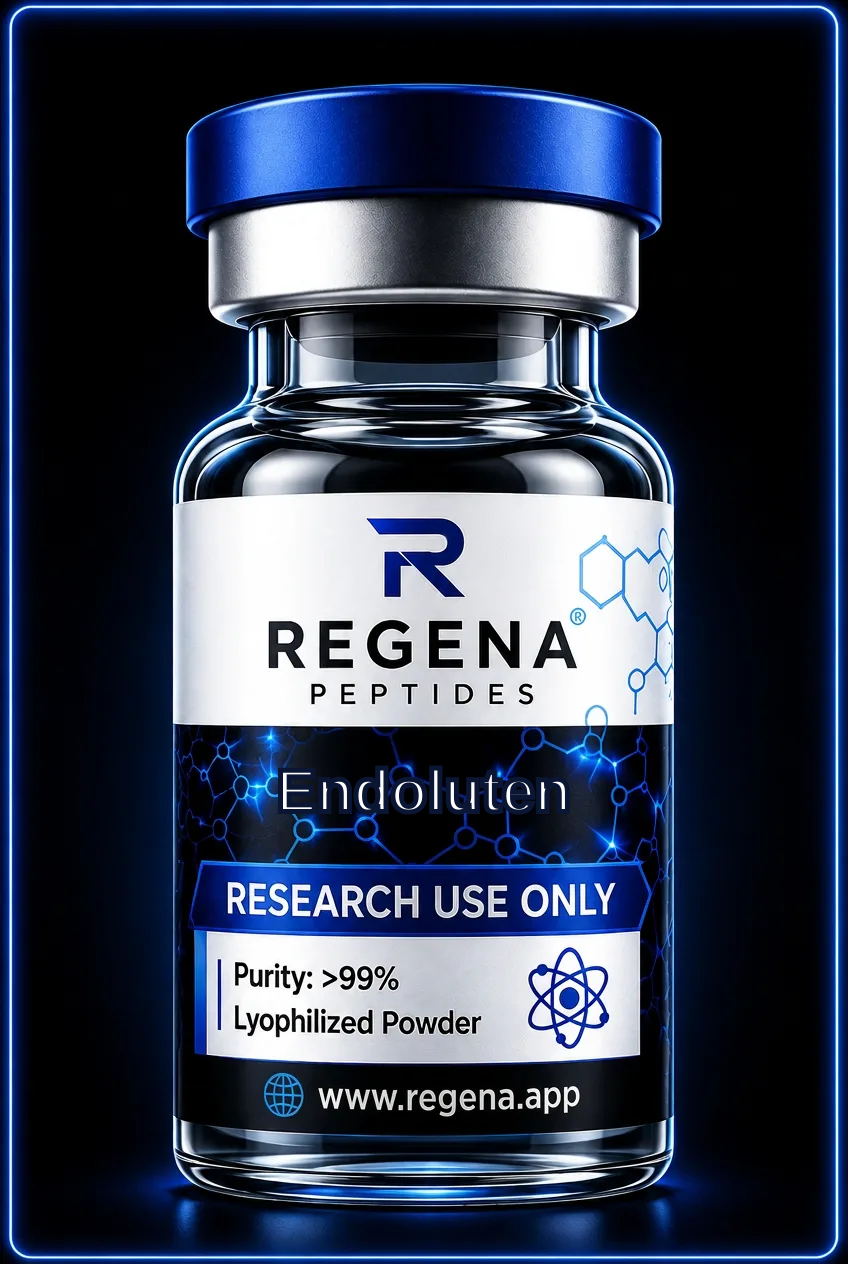
Endoluten
Also known as Ala-Glu-Asp
A synthetic tripeptide (Ala-Glu-Asp), originally identified in pineal extracts, studied in cellular models of aging and pineal function.
- Length
- 3 amino acids
- Half-life
- Not well characterised
- Mechanism
- This peptide is proposed in some literature to interact with pineal gland cells and influence melatonin synthesis pathways.
- Studied in
- It is investigated in cellular models for its potential influence on telomerase activity, gene expression, and markers of cellular senescence.
About Endoluten
Endoluten is the short peptide Ala-Glu-Asp, corresponding to a sequence identified in extracts from the pineal gland. Its small size and simple structure make it a target for synthetic production for research purposes. This allows for high purity and consistency in experimental settings compared to tissue extracts.
The proposed mechanism involves the regulation of neuroendocrine function, particularly within the pineal gland. Laboratory research investigates its effects on gene expression related to circadian rhythms and cellular aging processes. These studies often employ cell culture models to assess changes in parameters like telomere length and melatonin production following peptide exposure.
Laboratory notes
- For in-vitro studies, Endoluten is typically dissolved in sterile water or a standard cell culture medium.
- Due to its short sequence, mass spectrometry is the preferred method for identity confirmation.
- Long-term stability in solution is not well documented; prepare fresh solutions for each experiment.
Storage and reconstitution basics: storage guide.
Questions about Endoluten
What is the amino acid sequence of synthetic Endoluten?
The synthetic version of Endoluten is a tripeptide with the sequence L-Alaninyl-L-Glutamyl-L-Aspartic acid (Ala-Glu-Asp).
What is its proposed biological source?
This peptide sequence was originally identified from bovine pineal gland extracts.
What type of assays are used to study its effects?
In-vitro studies often utilize assays for telomerase activity, quantitative PCR for gene expression, and ELISA for melatonin levels in pinealocyte cell cultures.
Is Endoluten for human use?
No. It is supplied strictly for in-vitro laboratory research and is not for human or animal consumption.
Related research peptides
All products are sold for laboratory research use only. Not for human consumption, not a medicine, not for diagnosing, treating or preventing any condition.