
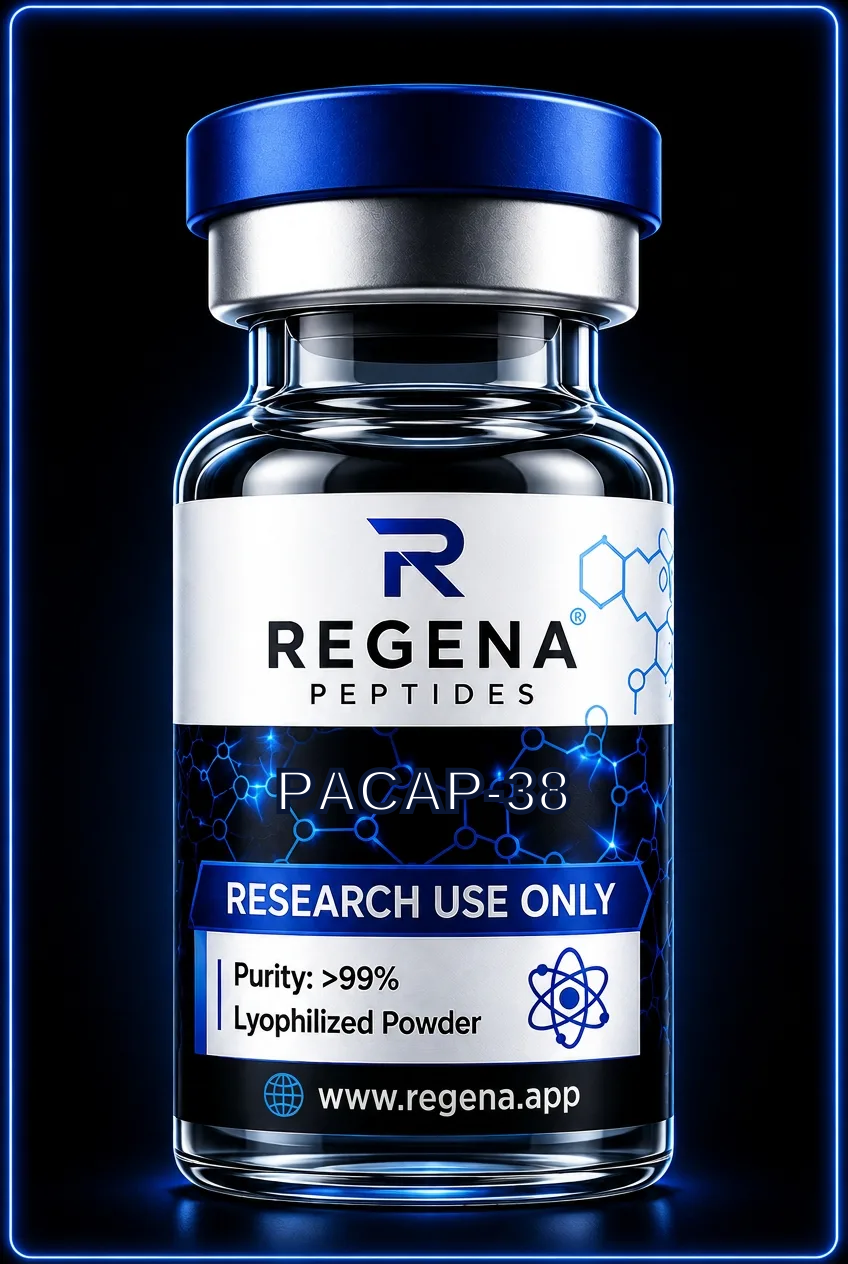
Cognitive · Neuropeptide
PACAP-38
Also known as Pituitary adenylate cyclase-activating polypeptide-38
PACAP-38 is a 38-amino-acid pleiotropic neuropeptide with widespread expression, studied for its role in neurotransmission and cellular protection.
- Length
- 38 amino acids
- Half-life
- Less than 10 minutes in human plasma (in vitro)
- Mechanism
- Binds with high affinity to PAC1, VPAC1, and VPAC2 receptors, which are G protein-coupled receptors that primarily signal through adenylyl cyclase.
- Studied in
- Explored in vitro and in vivo for its neurotrophic, neuroprotective, and neuromodulatory effects in models of neuronal function and injury.
About PACAP-38
Pituitary adenylate cyclase-activating polypeptide-38 (PACAP-38) is a highly conserved neuropeptide belonging to the vasoactive intestinal peptide (VIP)/secretin/glucagon superfamily. It is widely distributed throughout the central and peripheral nervous systems. This peptide exists in two amidated forms, the predominant 38-amino-acid form and a shorter 27-amino-acid variant (PACAP-27).
PACAP-38 exerts its effects by activating three G protein-coupled receptors: the PACAP-specific PAC1 receptor and two receptors it shares with VIP, VPAC1 and VPAC2. Binding to these receptors, particularly PAC1, initiates multiple intracellular signaling cascades, including the cAMP/PKA and PLC/PKC pathways. This broad signaling capability underlies its investigation in diverse models of neuronal plasticity, survival, and stress response.
Laboratory notes
- PACAP-38 is susceptible to degradation by dipeptidyl peptidase-IV (DPP-IV); use of DPP-IV inhibitors may be required in certain cell culture or in vivo models.
- The C-terminal amidation is critical for its biological activity and receptor binding affinity.
- Reconstituted solutions can be unstable; prepare fresh for each experiment and store single-use aliquots at -80°C for long-term use.
Storage and reconstitution basics: storage guide.
Questions about PACAP-38
What is the main difference between PACAP-38 and PACAP-27?
PACAP-38 is the full-length, 38-amino-acid form, while PACAP-27 is an N-terminal fragment. PACAP-38 generally shows higher affinity for the PAC1 receptor.
Which receptor is most specific to PACAP?
The PAC1 receptor binds PACAP with approximately 1000-fold higher affinity than it binds the related peptide VIP, making it the PACAP-preferring receptor.
Why is PACAP-38 described as pleiotropic?
It activates multiple receptor types and signaling pathways in various tissues, leading to a wide range of investigated effects, from neurotransmission to hormone secretion.
Is PACAP-38 for human use?
No. It is supplied strictly for in-vitro laboratory research and is not for human or animal consumption.
Related research peptides
All products are sold for laboratory research use only. Not for human consumption, not a medicine, not for diagnosing, treating or preventing any condition.