
Category hub · Topical formulation grade
Cosmetic formulation peptides
Cosmetic peptides are supplied as single 1 g lyophilised vials rather than 10-vial research kits, because formulation work needs bulk powder that can be dissolved into a serum base rather than matched aliquots.
About this category
The sequences in this category are studied for matrix and pigment-pathway effects in skin-model literature — copper-binding tripeptides and short signal peptides being the most cited. Formulators typically disperse them into a hyaluronic-acid or glycerin base at low percentages.
These vials are cosmetic-grade material for topical formulation only. They are not medicines and are not supplied for injection.
- 1 g bulk vials sized for serum formulation
- Batch purity verified by an independent laboratory
- Topical use only — never supplied for injection
- Tracked EU dispatch from Spain
Cosmetic formulation peptides in the catalogue (6)
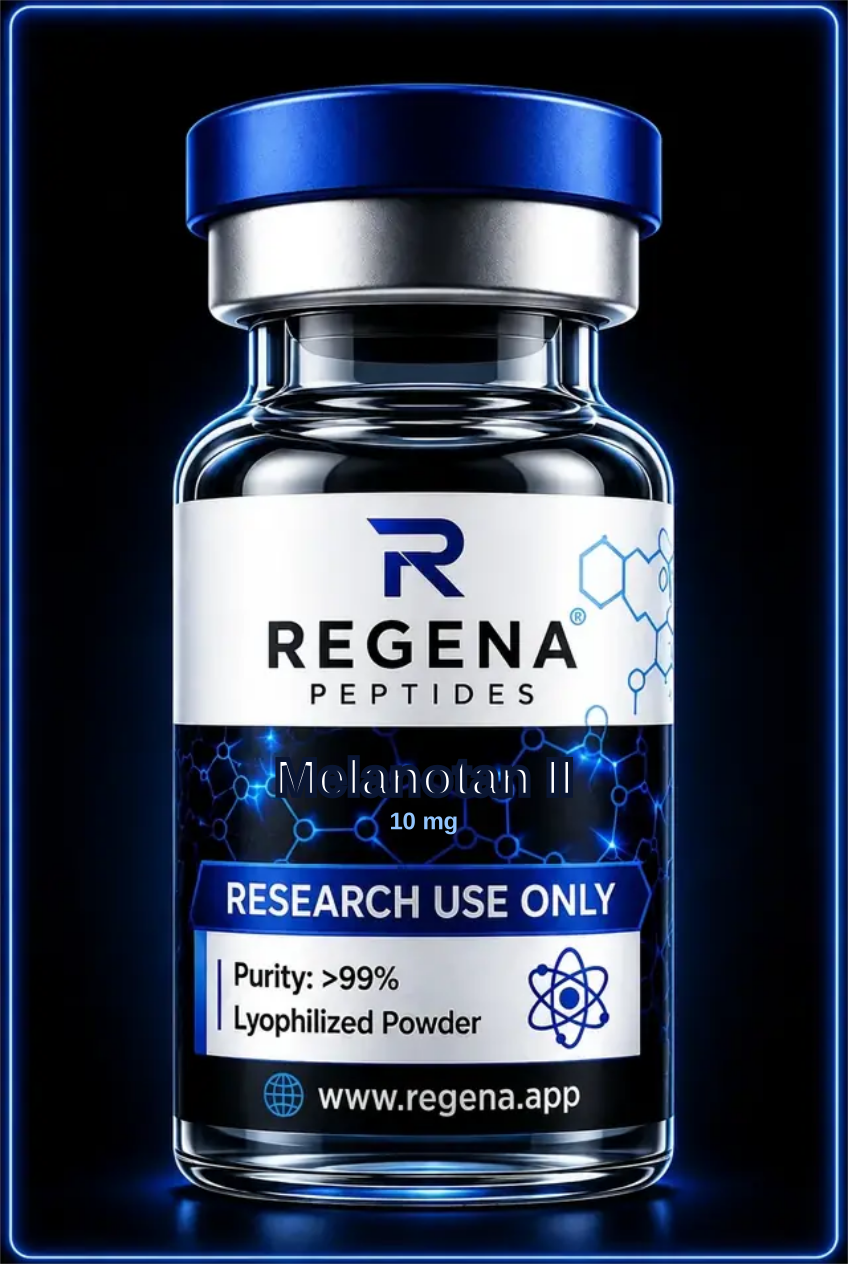 Melanotan IINon-selective melanocortin agonist for pigmentation and appetite research.
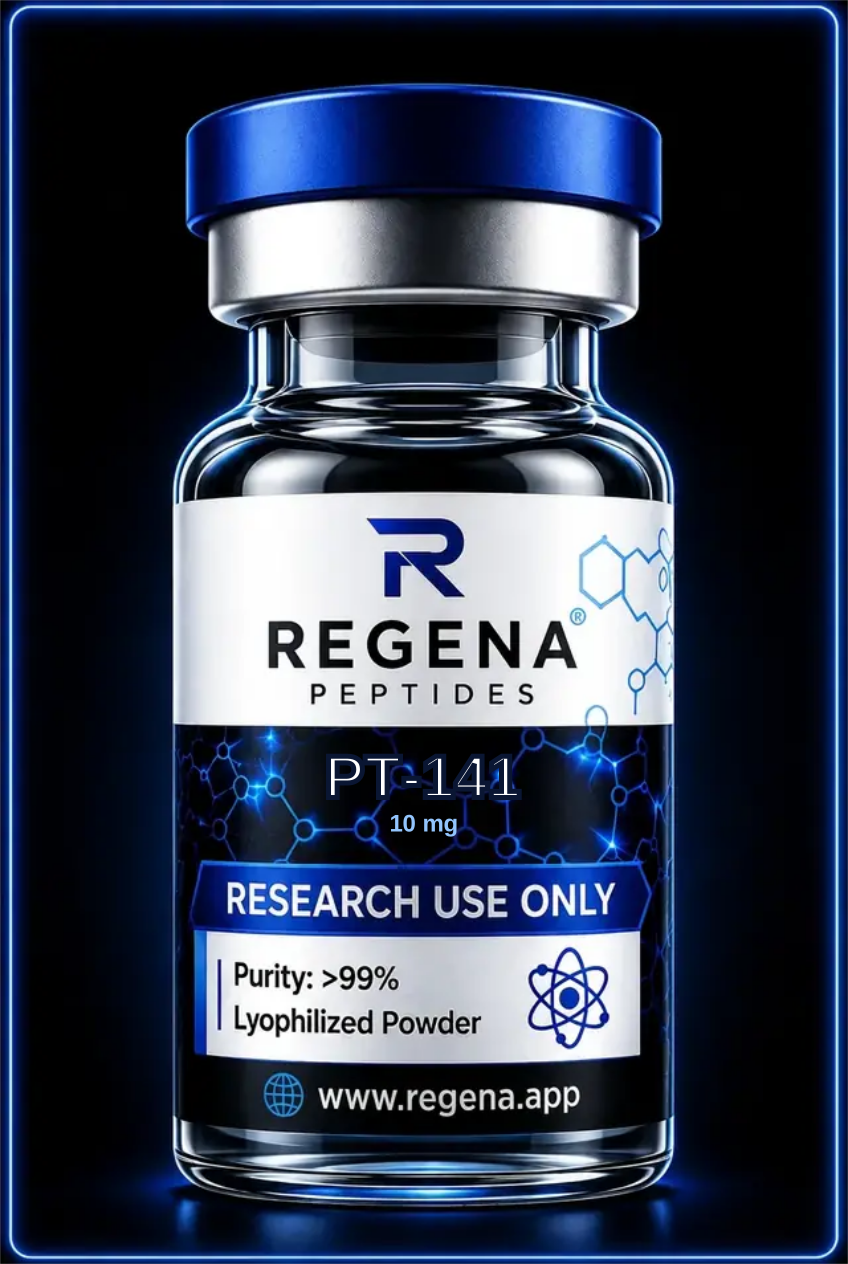 PT-141Selective MC4R agonist for central neuro-behavioural research.
 Melanotan 1MC1R-biased α-MSH analogue for pigmentation and photoprotection research.
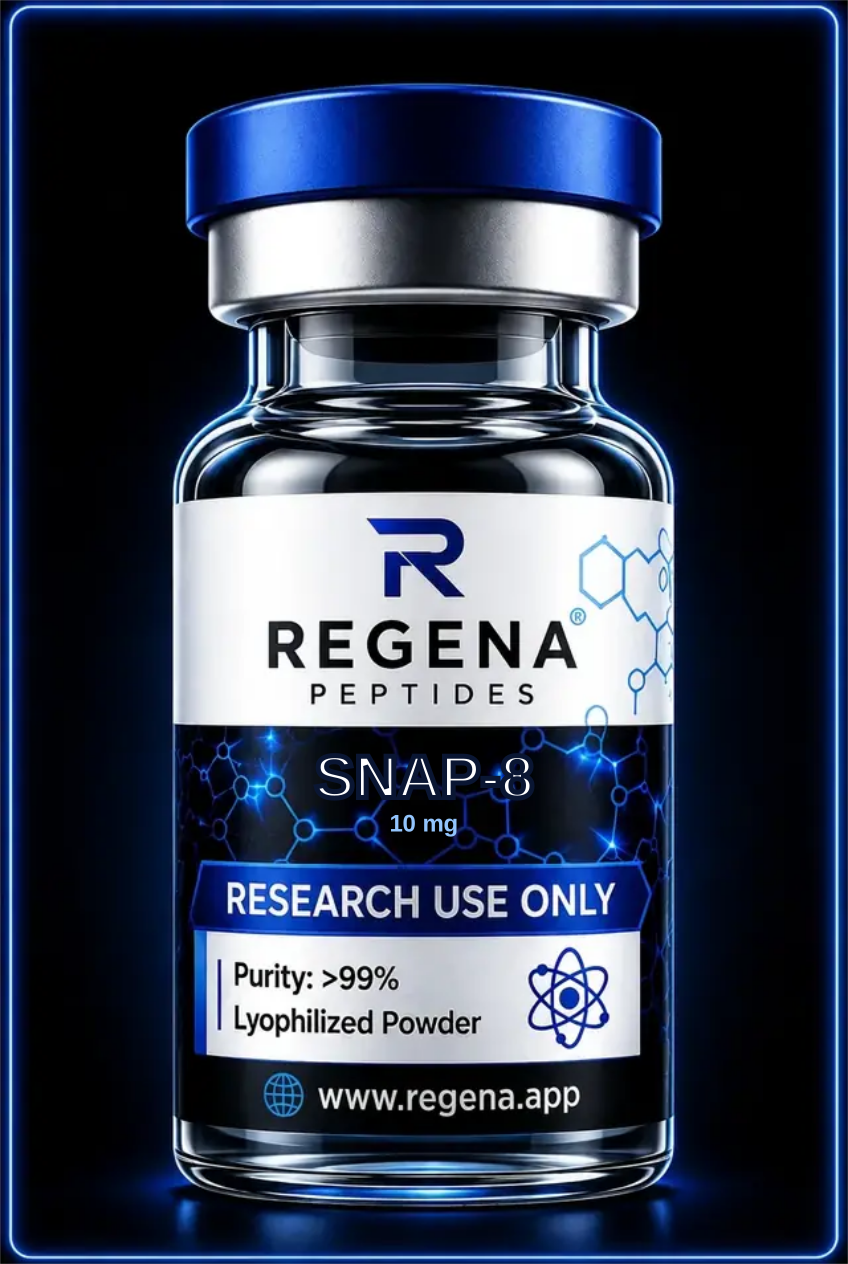 Snap-8SNAP-25 mimetic octapeptide for topical cosmetic research.
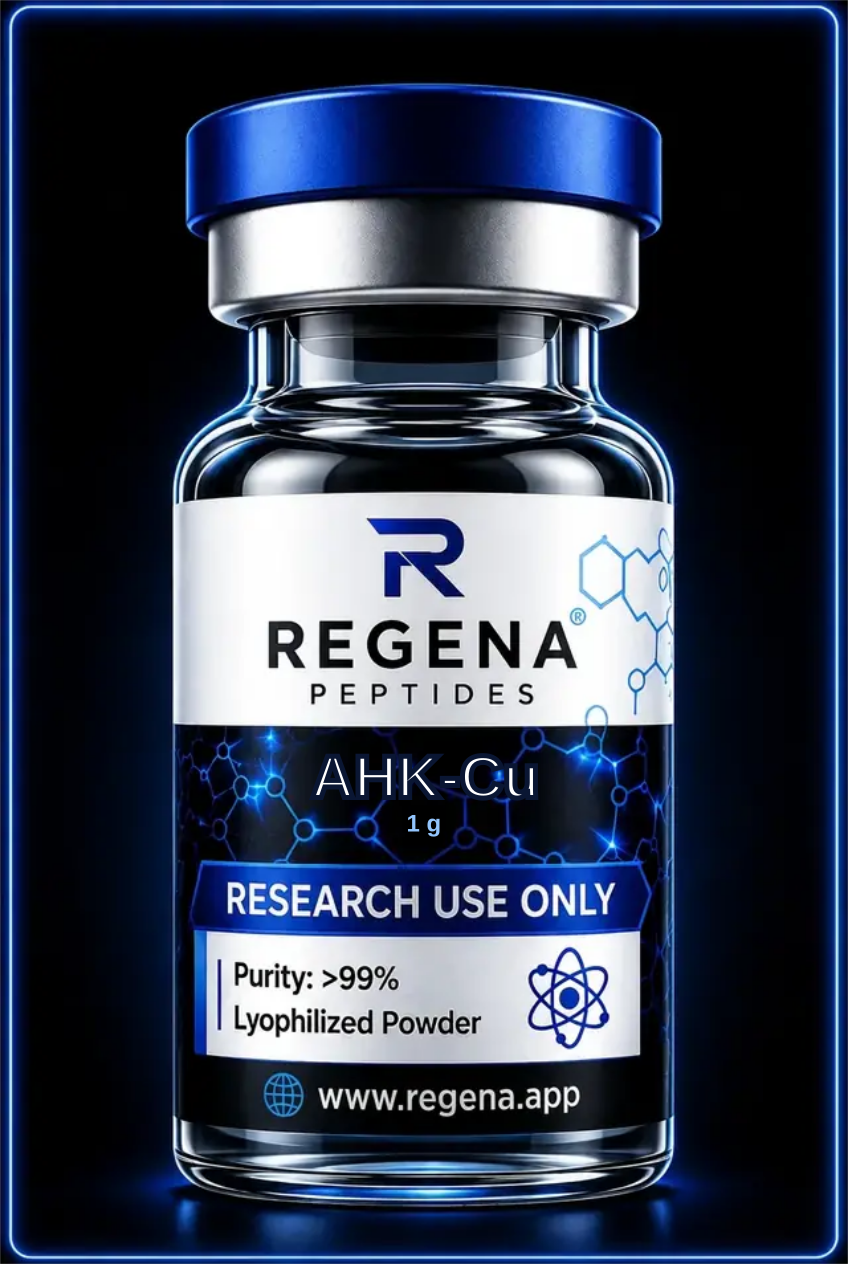 AHK-CuCopper-tripeptide cosmetic research compound used in hair-follicle and angiogenesis studies.
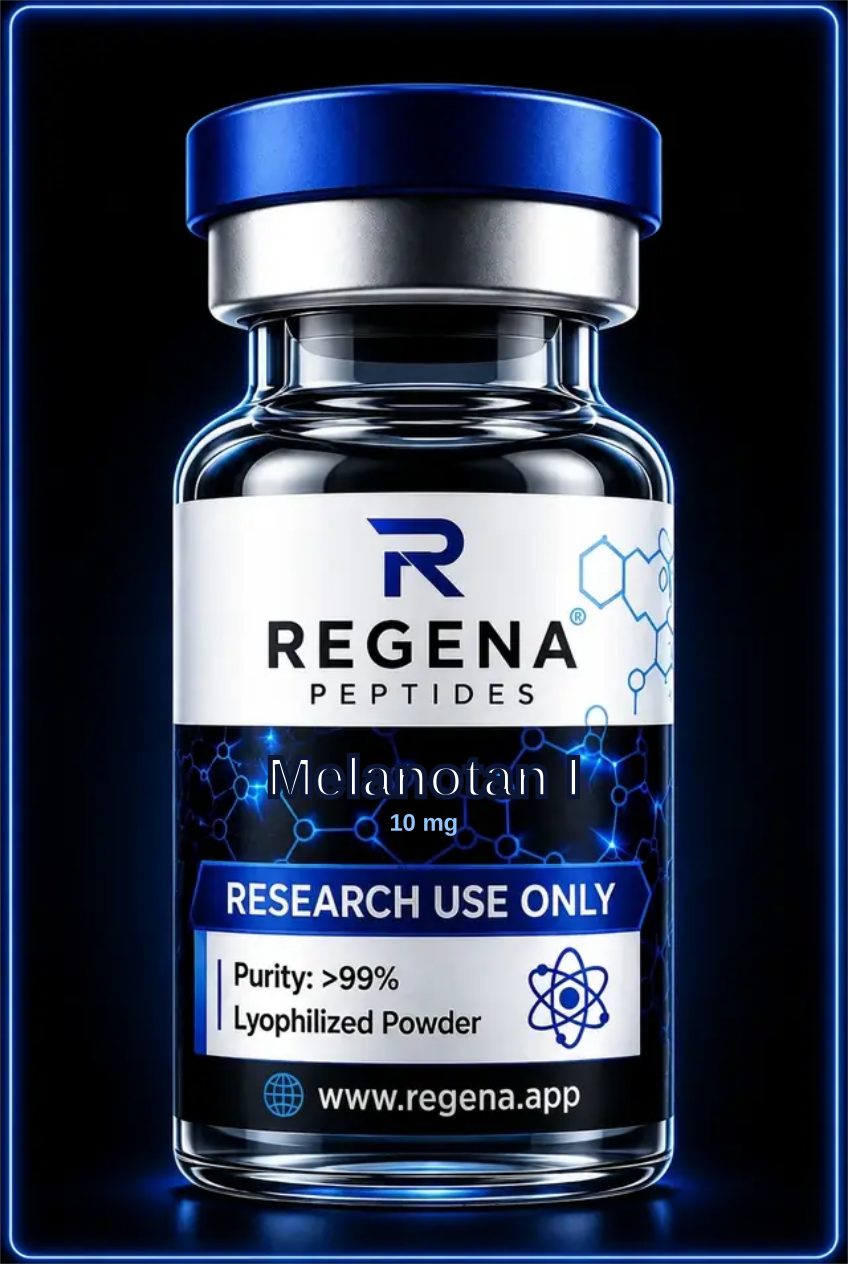 Melanotan IMC1R-selective α-MSH analogue used in melanogenesis and photoprotection research.
Frequently asked questions
How are cosmetic vials different from research kits?
Cosmetic products ship as one 1 g vial of powder for formulation; research compounds ship as ten lot-matched vials with a shared certificate.
What base should the powder be dissolved into?
Formulators commonly use a hyaluronic-acid or glycerin serum base. We do not publish formulation percentages — that is your formulation decision.
Are cosmetic peptides tested to the same standard?
Yes — the same independent HPLC verification applies before release.
Related pages
Other categories
All compounds are supplied for in-vitro laboratory research use only. Nothing on this page is medical advice or a recommendation for human or veterinary use.
Cosmetic formulation peptides: selection guide
Topical-formulation peptides
This category contains peptides used in cosmetic-science and dermal-model research. Snap-8 is an acetylated octapeptide studied for its interaction with the SNARE complex. AHK-Cu and the GHK-Cu peptide format are copper tripeptides used in topical-formulation development. Some listings come in larger formats suited to formulation work, so check the stated amount per vial.
Melanocortin peptides
Melanotan I (also listed as Melanotan 1, the same compound) and Melanotan II are synthetic analogues of alpha-MSH studied at melanocortin receptors. Melanotan I is the more receptor-selective linear form, while Melanotan II is a cyclic, broader agonist. PT-141 is a Melanotan II metabolite studied in central melanocortin-receptor models.
None of these are approved tanning or cosmetic products, and they are not for application to people.
Choosing a listing
Formulation researchers usually choose by stability and solubility in their base. Acetylated peptides like Snap-8 are generally more stable in formulation, while copper complexes need pH control to keep the copper bound. Product pages list the form supplied and any documentation we hold.
Documentation and handling
Snap-8, AHK-Cu and the GHK-Cu peptide format are often bought in larger amounts for formulation work, so ask for the batch certificate that matches the lot you will receive before you start a stability study. Copper tripeptides should be documented for copper content as well as peptide identity. A peptide-only purity figure does not show whether the complex has formed properly.
Melanotan I, Melanotan II and PT-141 are short cyclic or linear peptides with distinctive molecular weights, which makes mass-spectrometry confirmation straightforward. Store all listings refrigerated and protected from light, and keep copper peptides away from strong reducing agents that can release the bound copper. Nothing in this category is a cosmetic product for use on people. They are research materials for formulation and receptor studies only.