
Category hub · Endocrine axis class
Hormone & HPG-axis research peptides
This category covers endocrine-axis reference compounds: gonadotropin-receptor agonists, hypothalamic decapeptides that sit upstream of the HPG axis, and neurohypophyseal nonapeptides used in social-behaviour and reproductive-physiology models.
About this category
They are grouped together because the published protocols share a structure — a defined upstream stimulus followed by measurement of a downstream hormone response — rather than because the molecules resemble each other. Receptor targets differ completely across the group.
Every kit is released against an independent certificate stating HPLC main-peak purity and mass-spectrometry identity, with the lot number printed on the vial cap.
- Gonadotropin, kisspeptin-class and neurohypophyseal sequences
- Independent purity and identity verification per lot
- Lot-matched vials so upstream/downstream runs stay comparable
- Tracked EU courier from our Spanish hub
Hormone & HPG-axis research peptides in the catalogue (4)
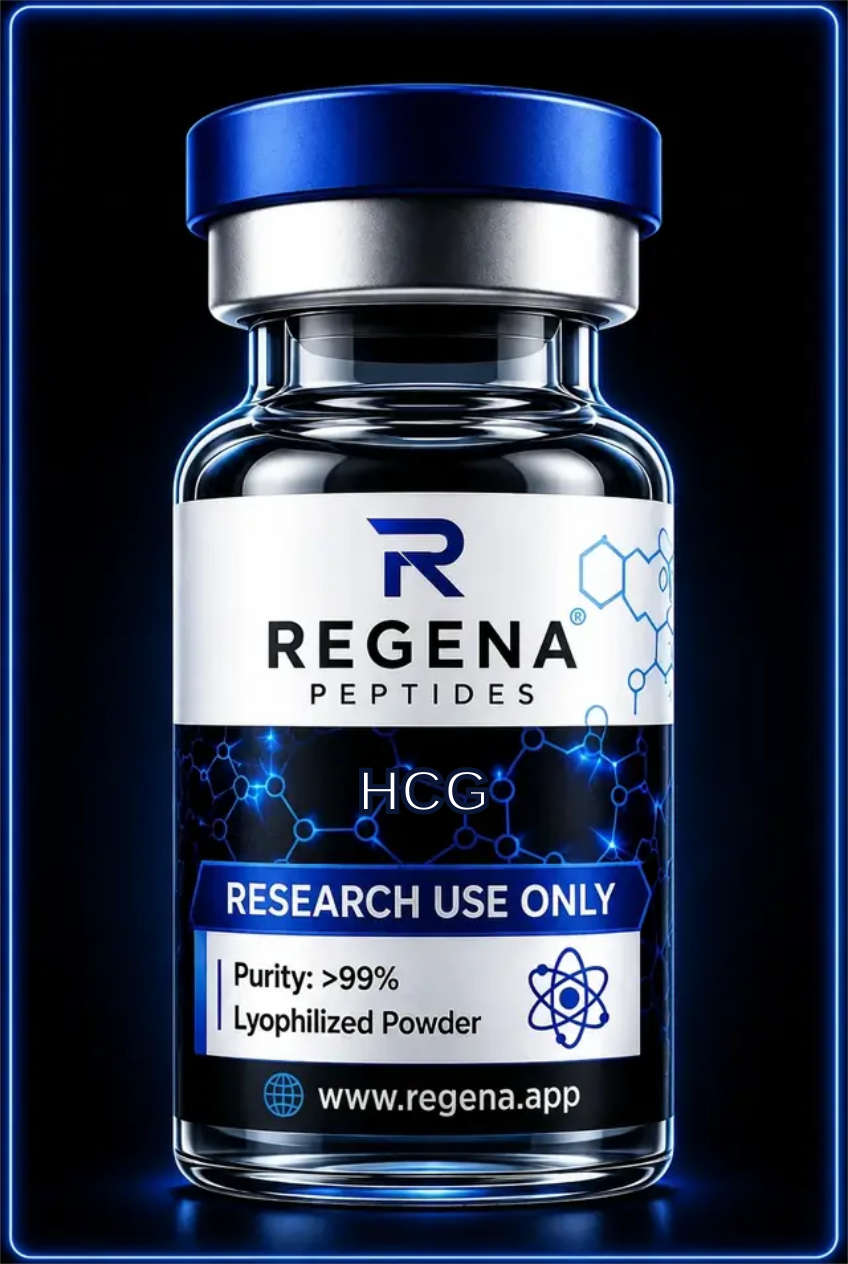 HCGLH-receptor agonist glycoprotein hormone used in HPG-axis research.
 OxytocinCyclic nonapeptide hormone for OXTR neuroscience and reproductive research.
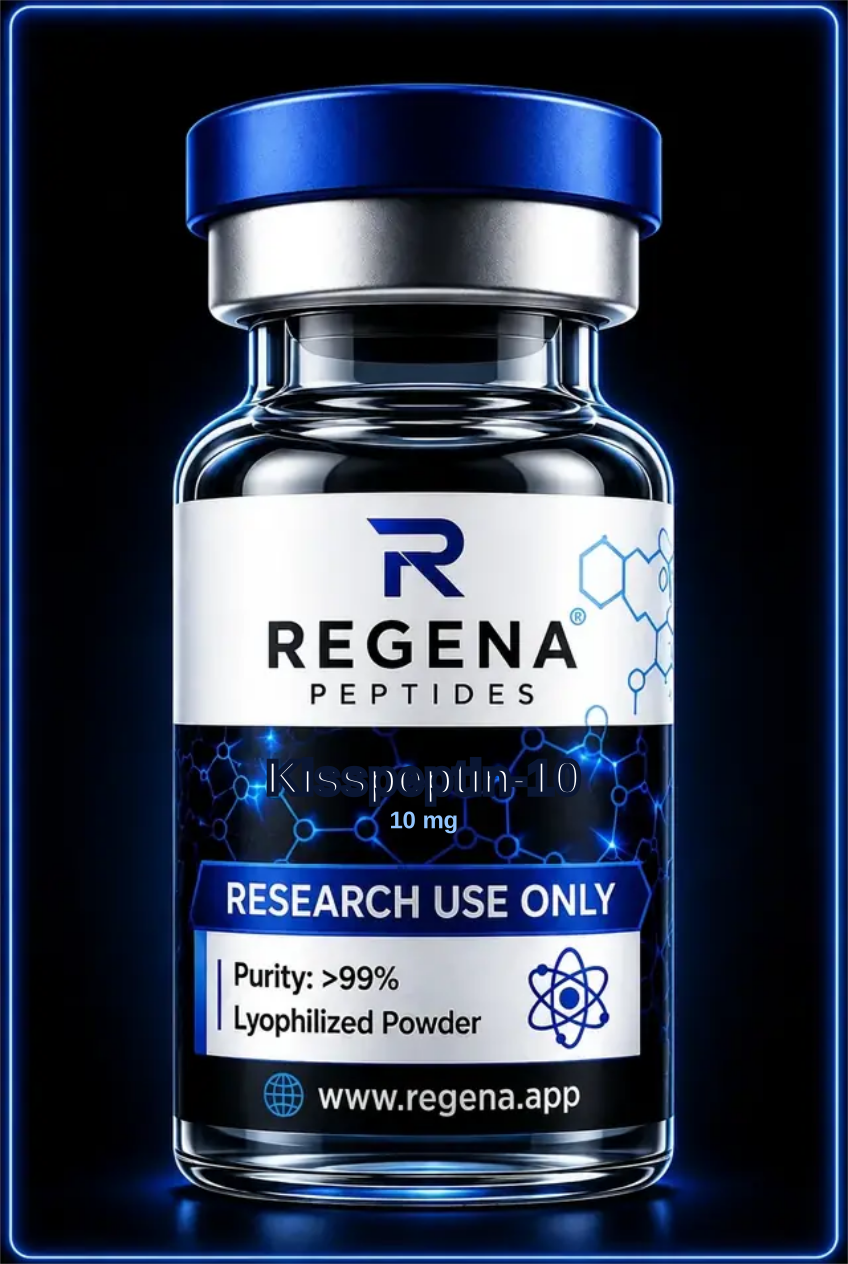 Kisspeptin-10Decapeptide KISS1R agonist for HPG-axis research.
 Oxytocin AcetateNonapeptide OXTR agonist used in social-behaviour and smooth-muscle research.
Frequently asked questions
What is the HPG axis?
The hypothalamic-pituitary-gonadal signalling chain. Research peptides in this category act at different points along it, which is why they are studied as a set.
Are identity checks included, not just purity?
Yes — mass spectrometry confirms the molecular weight matches the expected sequence, alongside the HPLC purity figure.
How is temperature handled in transit?
Lyophilised vials ship in temperature-buffered mailers on a tracked service from Germany, the USA or China.
Related pages
Other categories
All compounds are supplied for in-vitro laboratory research use only. Nothing on this page is medical advice or a recommendation for human or veterinary use.
Hormone & HPG-axis research peptides: selection guide
Hormone-axis research peptides
This category covers peptides studied in models of the hypothalamic–pituitary–gonadal (HPG) axis and related neuroendocrine signalling. Kisspeptin-10 is the active C-terminal fragment of kisspeptin, studied upstream of GnRH release. HCG is a glycoprotein hormone studied at the LH receptor and is much larger than the short peptides elsewhere in the shop.
Oxytocin listings
Oxytocin and Oxytocin Acetate are the same nonapeptide. The acetate listing names the counter-ion explicitly, as many synthesis reports do. Peptides are usually supplied as acetate or trifluoroacetate salts, which slightly changes the net peptide content of a given vial weight. Check the product page for which form and amount is supplied.
Selection and handling
Researchers choose here by where in the axis a model intervenes: hypothalamic (Kisspeptin-10), gonadal receptor (HCG), or social and neuro-behavioural signalling (Oxytocin). Glycoproteins such as HCG are more sensitive to agitation and repeated freeze-thaw than short peptides, so gentle handling is standard in published methods.
Documentation and storage
Kisspeptin-10 and Oxytocin are short, well-characterised peptides. Mass spectrometry confirms them clearly, and HPLC gives a reliable purity figure. HCG is a large glycoprotein, so its documentation usually reports activity or protein content rather than a simple single-peak purity, and it should be compared with that in mind. Batch COAs are available on request where a report is not listed on the product page.
Store lyophilised vials refrigerated and protected from light. HCG is the most sensitive listing here: dissolve it gently, avoid vigorous shaking, and do not refreeze reconstituted solutions repeatedly. Several hormone-axis compounds are controlled or prescription-only medicines in some countries. Check your local regulations before ordering, and note that these listings are supplied strictly as laboratory research materials.