
Category hub · GHRH & ghrelin-receptor class
Growth hormone secretagogue peptides
Growth hormone secretagogues fall into two mechanistic families. GHRH analogues bind the growth-hormone-releasing-hormone receptor on somatotrophs; ghrelin-receptor agonists act at GHS-R1a. Combining one from each family is the classic laboratory design, because the two pathways amplify each other rather than compete.
About this category
What researchers select for here is pulse shape, not potency alone. Short-acting secretagogues produce a sharp, physiological pulse; modified analogues with a longer plasma residence flatten that curve. Selectivity matters too — some older compounds also stimulate cortisol and prolactin, which confounds readouts in endocrine models.
All secretagogue kits ship lyophilised with a lot-specific certificate of analysis. Purity is reported as HPLC main-peak percentage and cross-checked against the expected molecular weight by mass spectrometry.
- GHRH analogues and GHS-R1a agonists in one catalogue
- Selectivity and half-life notes on every product page
- Batch COA cross-referenced to the vial cap number
- Free 20-minute scientific consultation before ordering
Growth hormone secretagogue peptides in the catalogue (18)
 IpamorelinSelective GH secretagogue used in clean somatotropic axis research.
 CJC-1295 (no DAC)Short-acting GHRH analogue for pulsatile growth hormone release research.
 CJC-1295 with DACLong-acting GHRH analogue for sustained IGF-1 research models.
 SermorelinNative GHRH(1-29) fragment, baseline reference in GH research.
 TesamorelinStabilised GHRH analogue, prominent in visceral fat research models.
 HexarelinPotent GH secretagogue with cardiac receptor activity.
 MK-677Oral ghrelin mimetic for long-duration GH/IGF-1 research.
 IGF-1 LR3Long-acting IGF-1 analogue for anabolic and myogenesis research.
 GHRP-2Hexapeptide GH secretagogue for GH pulse and ghrelin research.
 GHRP-6Hexapeptide GH secretagogue with appetite-pathway research interest.
 AOD-9604hGH C-terminal fragment used in adipose lipolysis and body-composition research.
 CJC-1295 no DAC + IpamorelinGHRH + selective ghrelin-agonist research blend for pulsatile GH release studies.
 HGHReference recombinant GH used as a positive control in GH/IGF-1 axis research.
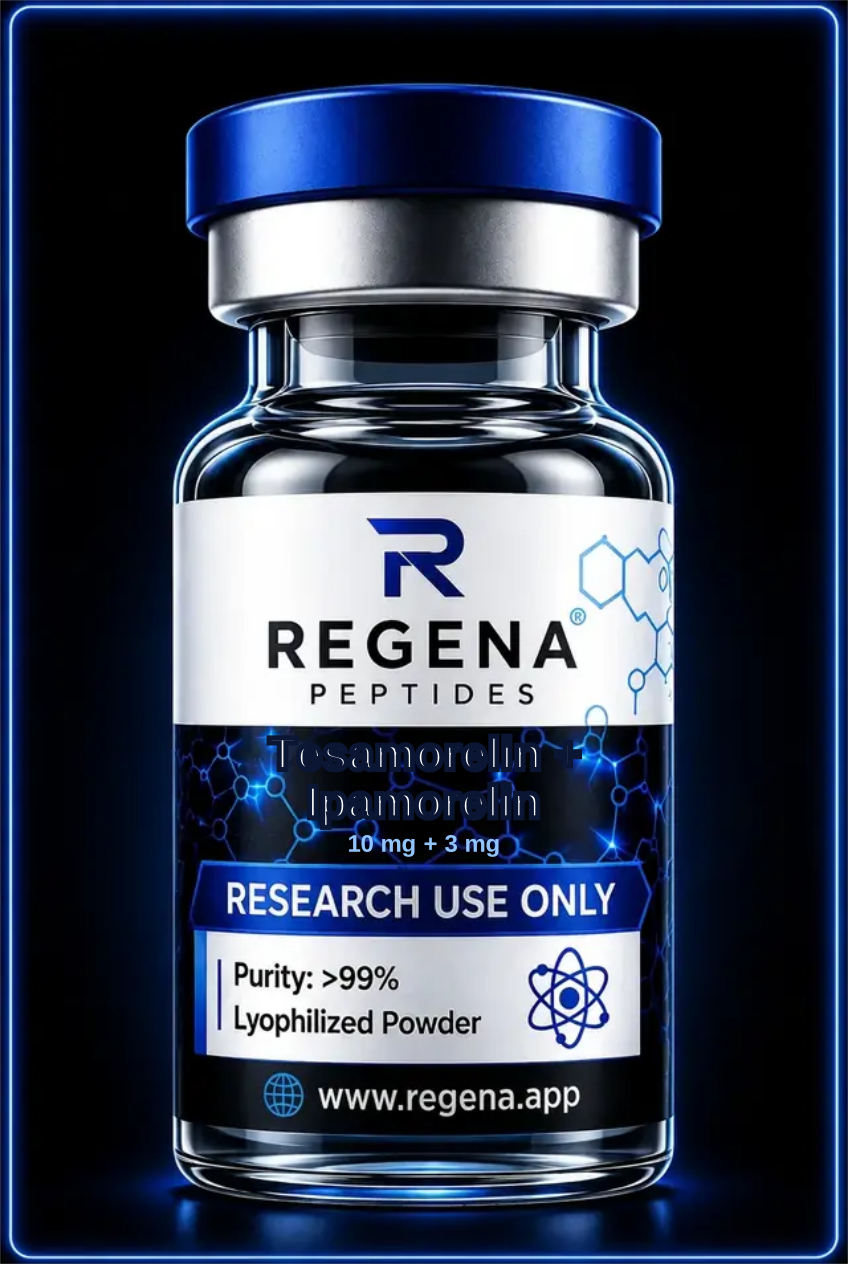 Tesamorelin + IpamorelinGHRH analogue + selective ghrelin-agonist blend for visceral-adipose and GH-pulse studies.
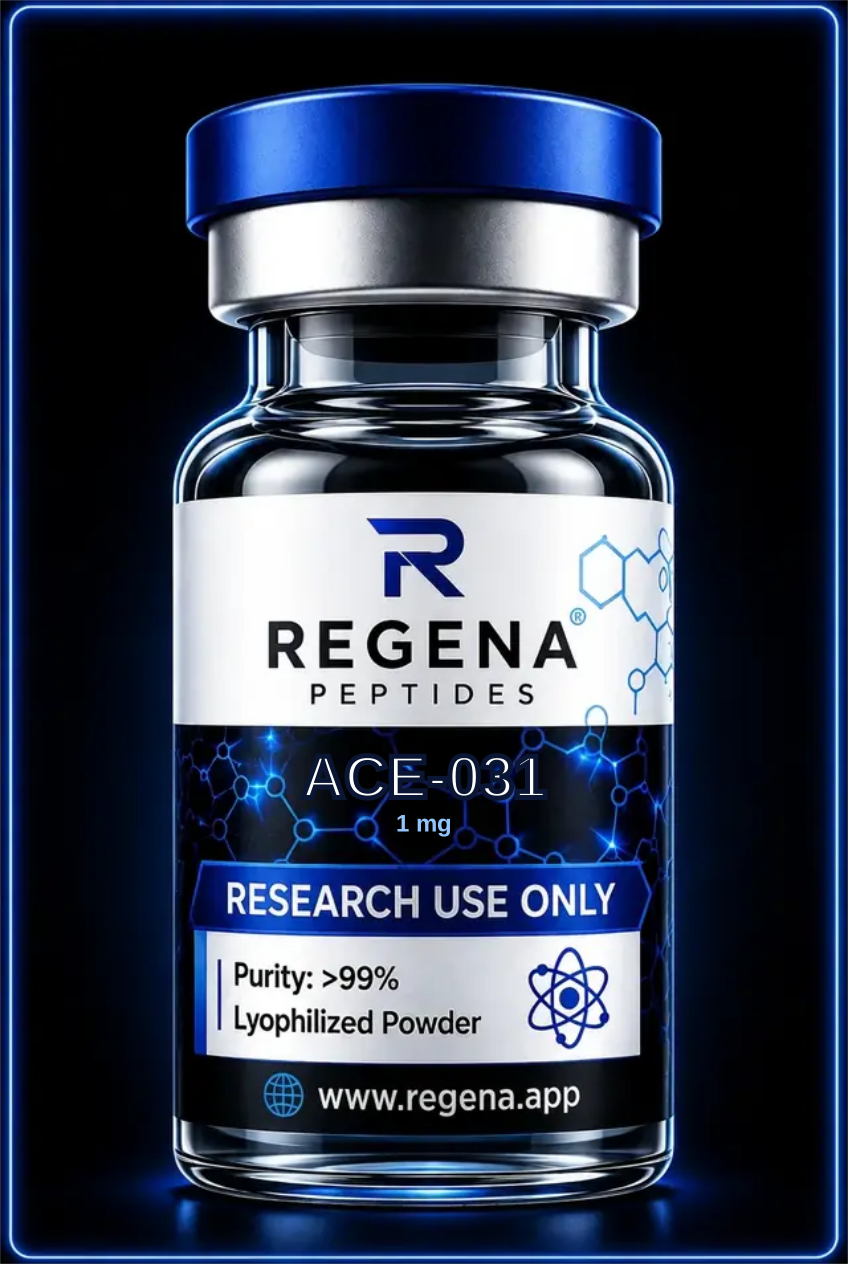 ACE-031Decoy activin receptor fusion protein used to study myostatin inhibition and muscle mass regulation.
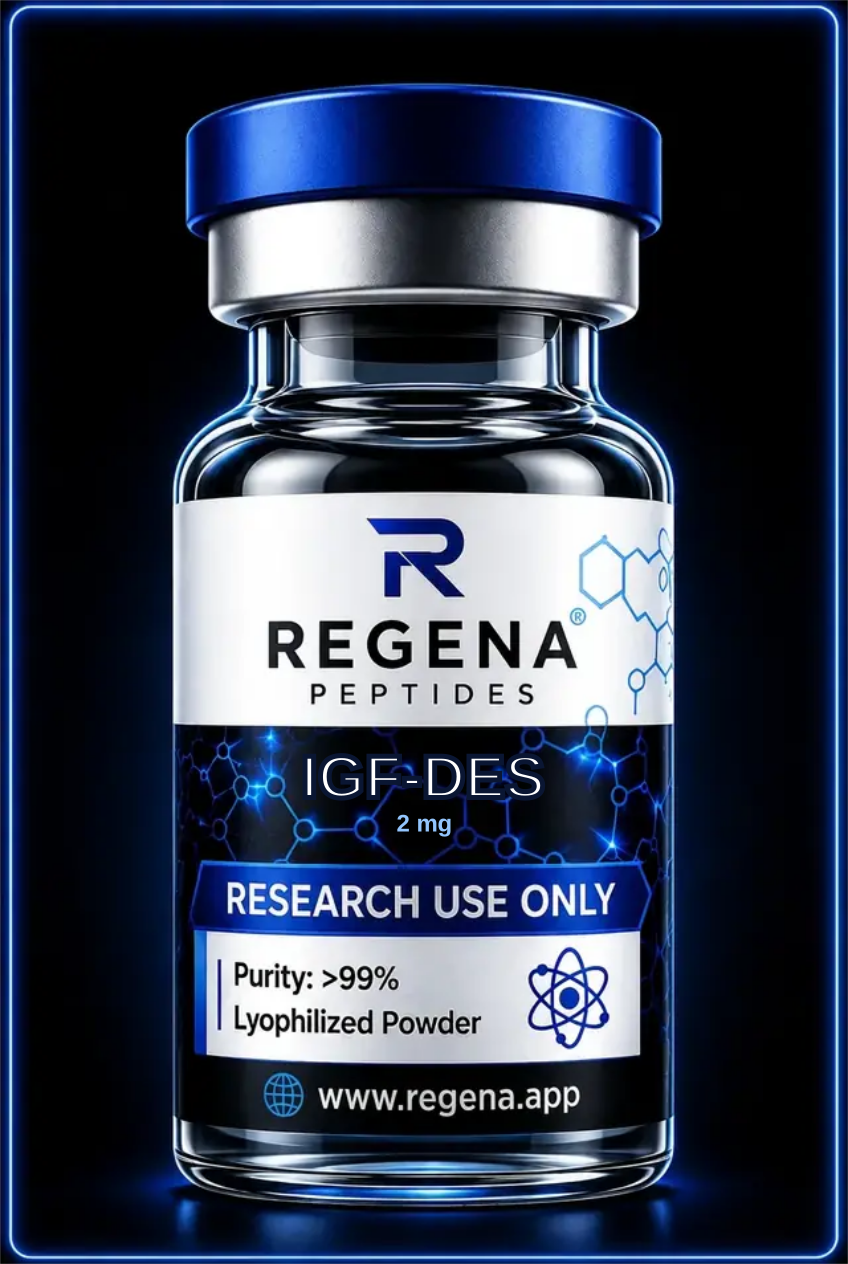 IGF-DESBinding-protein-resistant truncated IGF-1 analogue for localised IGF receptor signalling research.
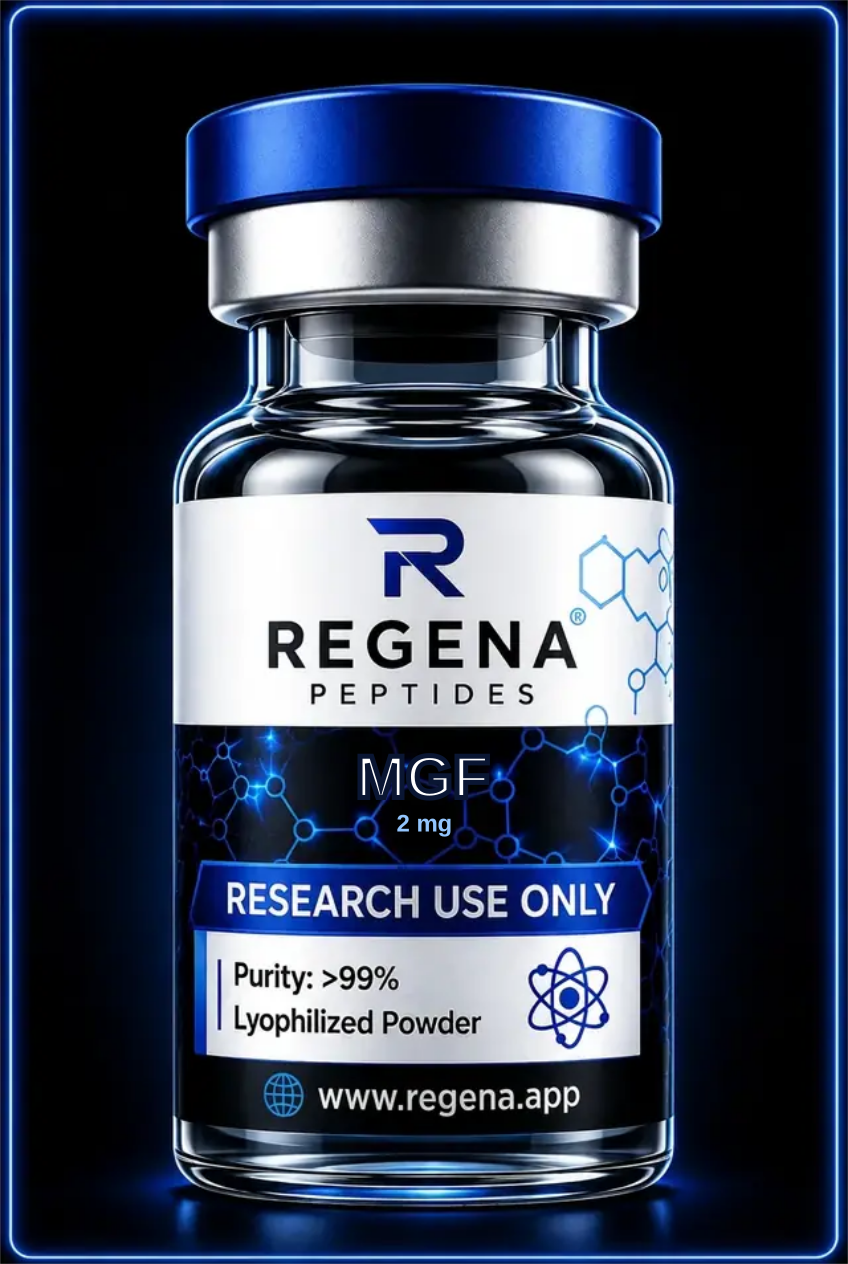 MGFShort-acting IGF-1 splice-variant peptide studied for satellite-cell activation and local muscle repair signalling.
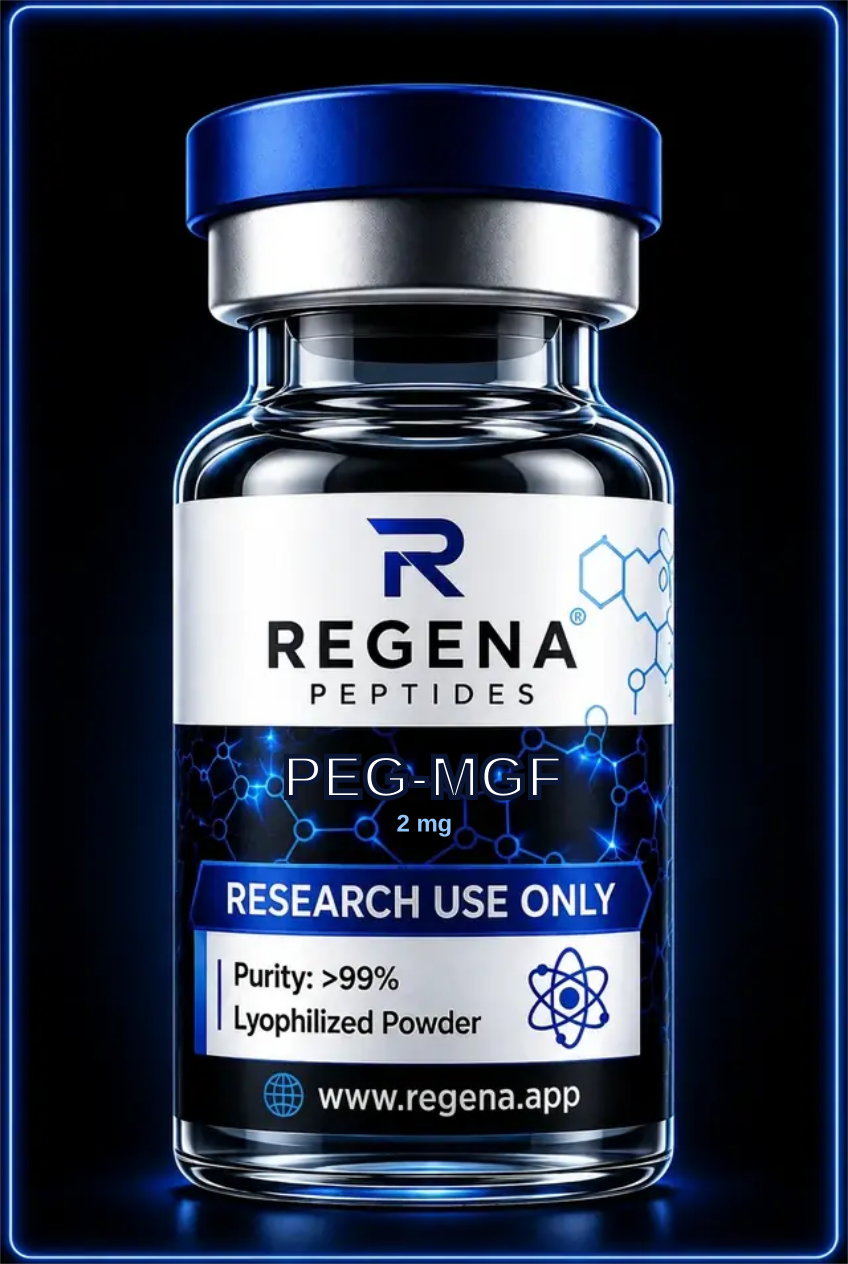 PEG-MGFLong-exposure PEGylated MGF analogue used where native MGF clears too rapidly for study.
Frequently asked questions
Why are GHRH analogues and ghrelin agonists studied together?
They act on separate receptors on the same cell population, so in published models the combined signal produces a larger release than either compound alone.
Which secretagogues are considered selective?
Selectivity means little or no measurable cortisol or prolactin response in the reference literature. Each product page states what has been reported for that compound.
What diluent is used for these peptides?
Bacteriostatic water, supplied as 10 ml × 10 sterile liquid vials. Volume per vial depends on the concentration the research method specifies.
Other categories
All compounds are supplied for in-vitro laboratory research use only. Nothing on this page is medical advice or a recommendation for human or veterinary use.
Growth hormone secretagogue peptides: selection guide
Two receptor families
Most listings here fall into two groups. Growth-hormone-releasing hormone (GHRH) analogues are Sermorelin, Tesamorelin and both CJC-1295 forms. Ghrelin-receptor agonists, also called GH secretagogues or GHRPs, are Ipamorelin, GHRP-2, GHRP-6 and Hexarelin. MK-677 is a non-peptide, orally active ghrelin-receptor agonist and is listed here for completeness.
Published models often pair one compound from each family, which is why the combined CJC-1295 no DAC + Ipamorelin and Tesamorelin + Ipamorelin vials exist.
Growth factors and fragments
IGF-1 LR3 and IGF-DES are modified forms of insulin-like growth factor 1. LR3 is extended to reduce binding-protein interaction, and DES is a truncated variant. MGF and PEG-MGF are splice-variant peptides, with the PEG form modified for stability. AOD-9604 is a fragment of the growth-hormone C-terminus. ACE-031 is a soluble activin receptor construct. HGH is full-length somatropin, a 191-amino-acid protein rather than a short peptide.
Practical differences
The clearest practical difference is between CJC-1295 with DAC and without DAC. The DAC version binds albumin and has a half-life of days in published models, while the no-DAC version clears within hours. Among the GHRPs, Ipamorelin is the most selective in the literature, while GHRP-6 and Hexarelin have broader reported activity.
IGF variants are commonly dissolved in dilute acetic acid rather than bacteriostatic water in published methods. Both are available in lab supplies.
Documentation and storage
Short secretagogues such as Ipamorelin, GHRP-2 and GHRP-6 are easy to verify: their molecular weights are distinctive and a single HPLC run with mass-spectrometry confirmation identifies them clearly. Larger proteins like HGH and modified constructs like PEG-MGF or ACE-031 need more careful analysis, because aggregation and partial degradation are harder to see in a simple purity figure. Ask for the report that matches the batch you will receive.
Store lyophilised vials refrigerated and protected from light. Once reconstituted, the larger proteins in this group are the most fragile: avoid shaking, avoid repeated freeze-thaw cycles, and use gentle swirling to dissolve the powder. Blends contain two peptides in one vial, and the product page states the amount of each. Count both when planning how much material a protocol needs.