
Category hub · Repair, angiogenesis & matrix
Regenerative & tissue-repair peptides
Regenerative peptides are studied for their effect on the repair cascade: fibroblast migration, angiogenesis, extracellular-matrix turnover and the local growth-factor environment. They are among the most-cited compounds in wound-model and connective-tissue literature.
About this category
Mechanistically the class splits between actin-binding sequences that influence cell motility, gastric-derived pentadecapeptides studied in vascular and tendon models, and copper-binding tripeptides that act on matrix remodelling. Those are different pathways, so the compounds are frequently compared rather than substituted.
Because repair work usually runs over weeks, batch consistency matters more here than anywhere else in the catalogue. Kits are lot-matched — ten vials from the same batch, one certificate covering all of them.
- Repair, angiogenesis and matrix-remodelling compounds
- Lot-matched 10-vial kits so long protocols stay consistent
- Independent Janoshik Analytical verification per batch
- Discreet, tracked courier from our European hub
Regenerative & tissue-repair peptides in the catalogue (9)
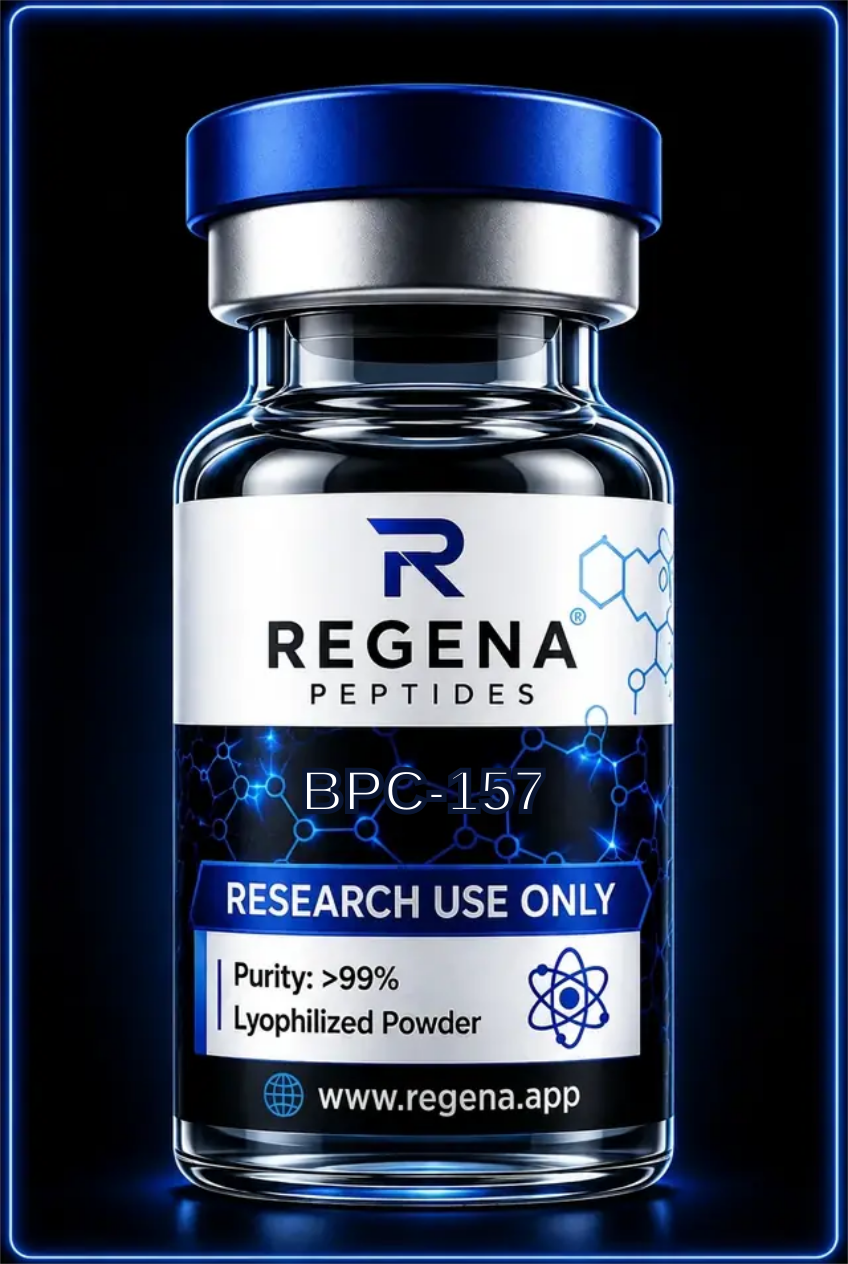 BPC-157Pentadecapeptide widely studied in tendon, ligament and gut repair models.
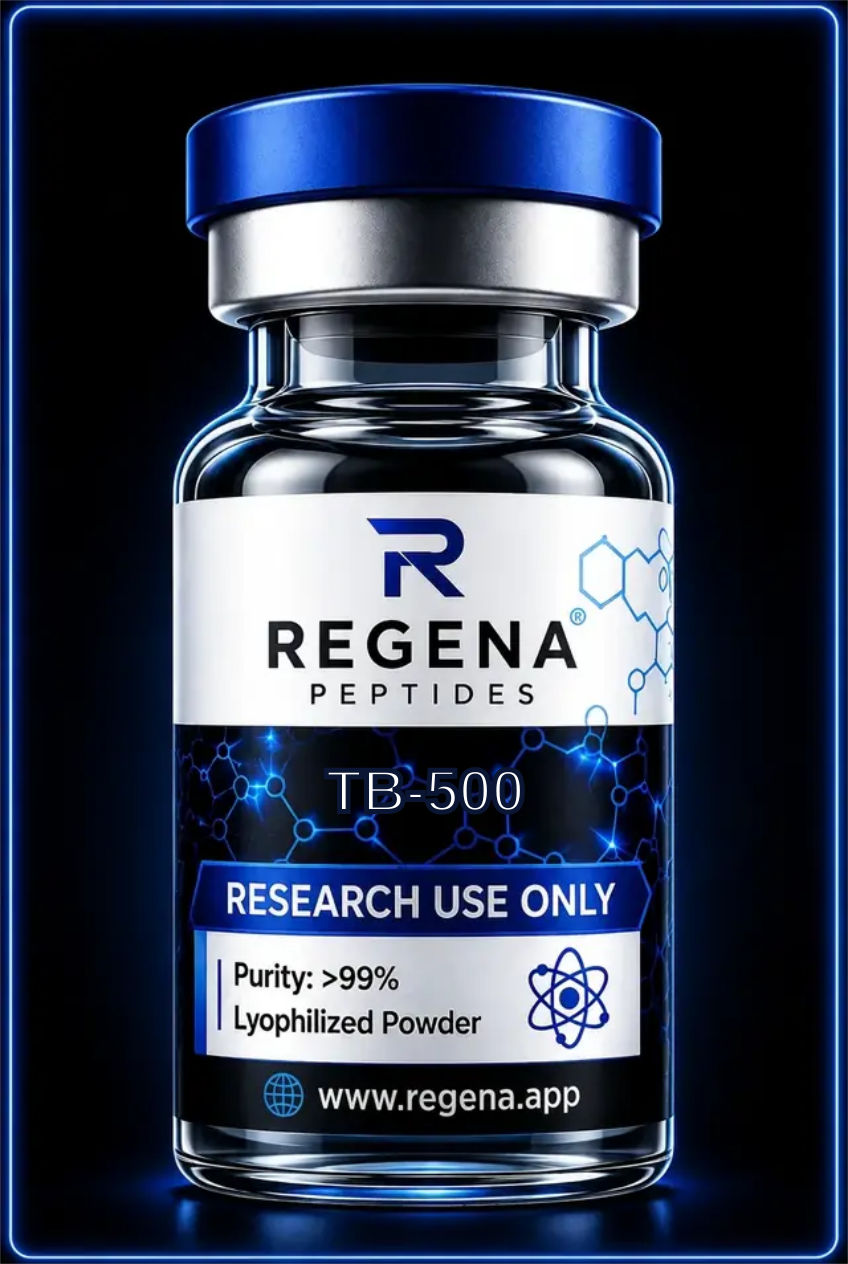 TB-500Thymosin Beta-4 fragment studied in soft tissue repair and migration assays.
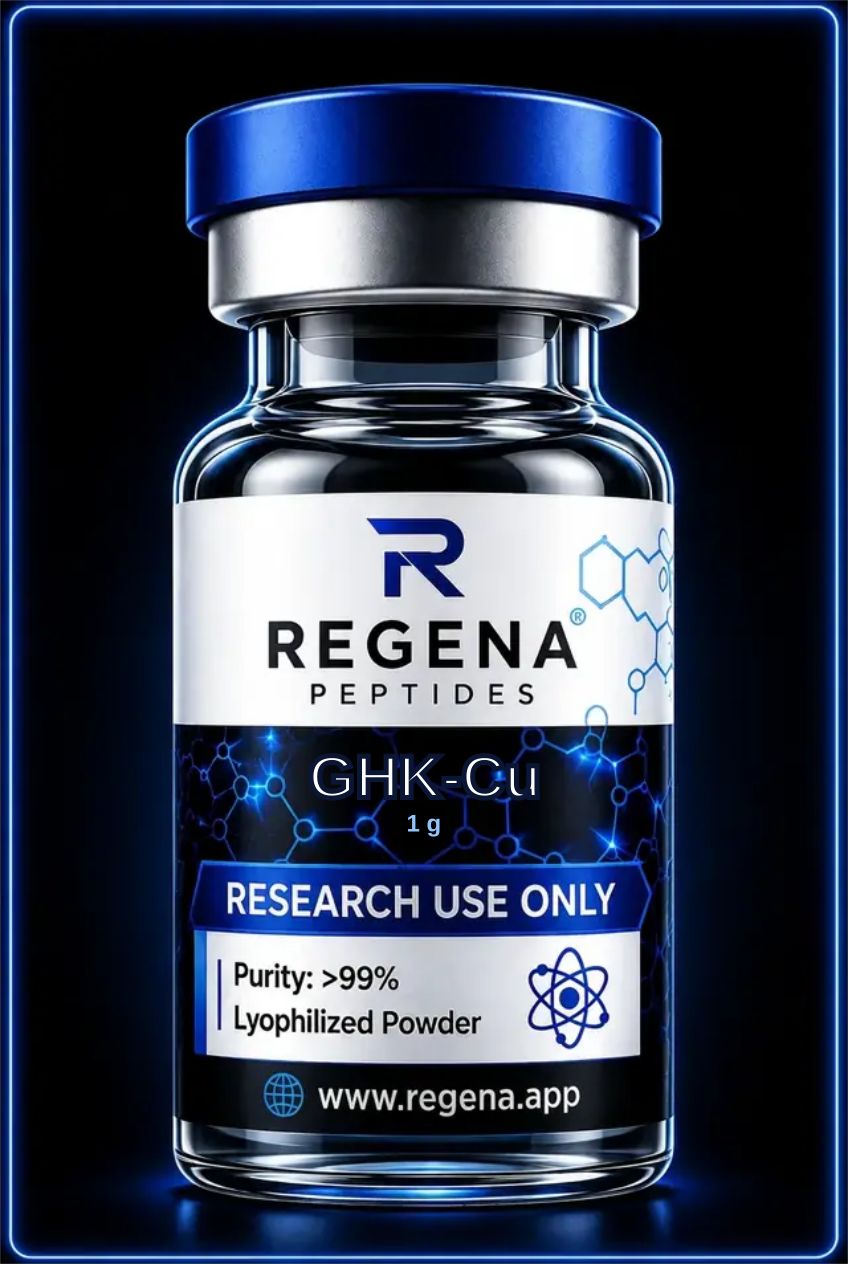 GHK-CuCopper-binding tripeptide widely studied in skin and hair biology.
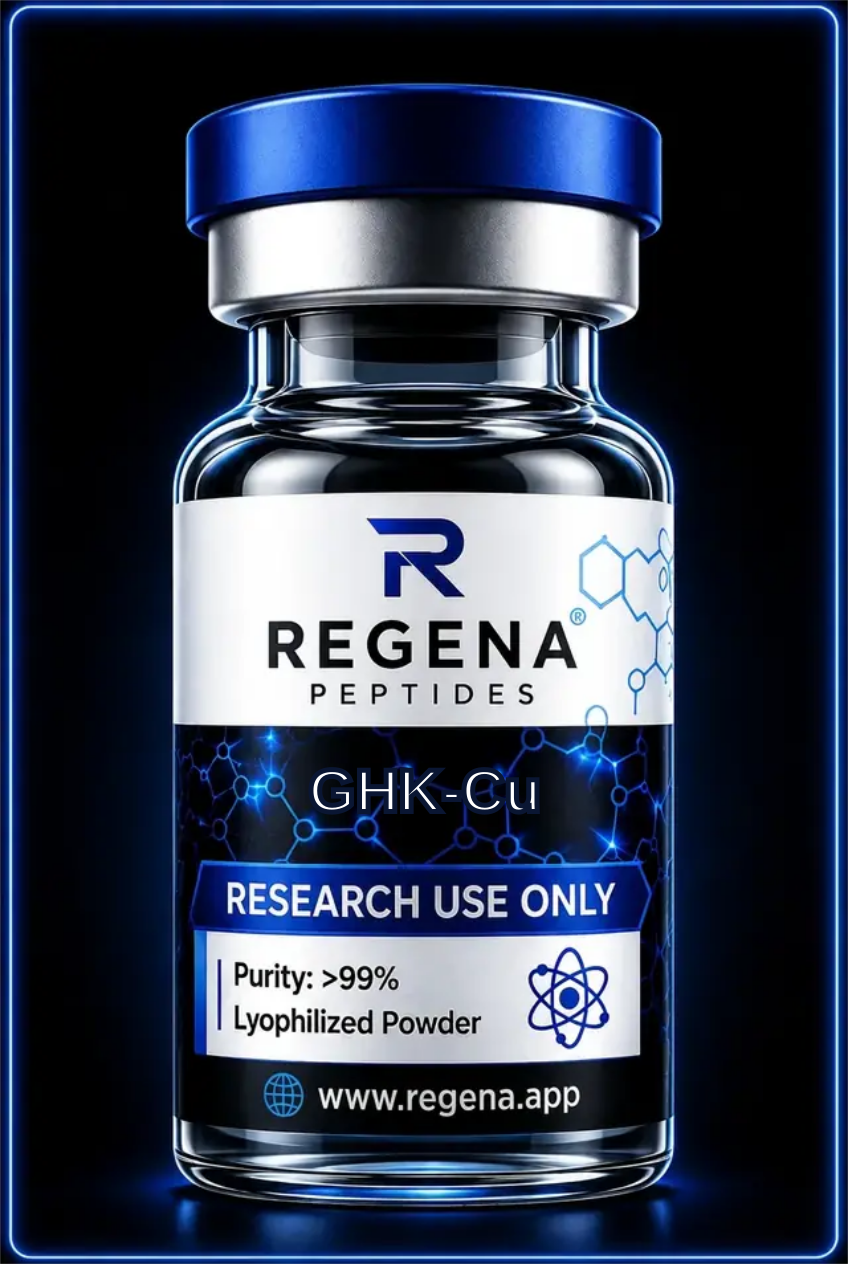 GHK-Cu (Peptide)Injectable research-grade GHK-Cu kit (10 vials) for subcutaneous research models.
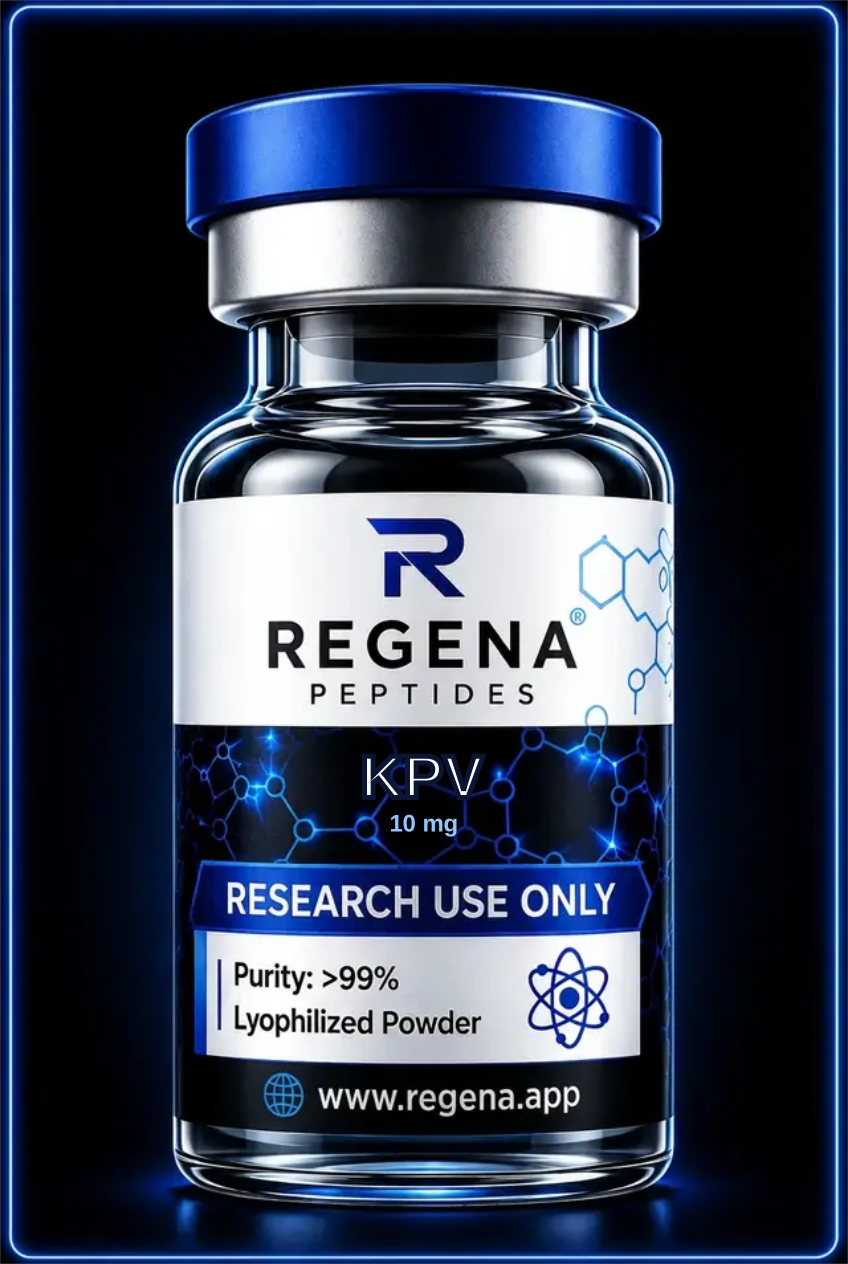 KPVα-MSH tripeptide fragment studied in mucosal inflammation models.
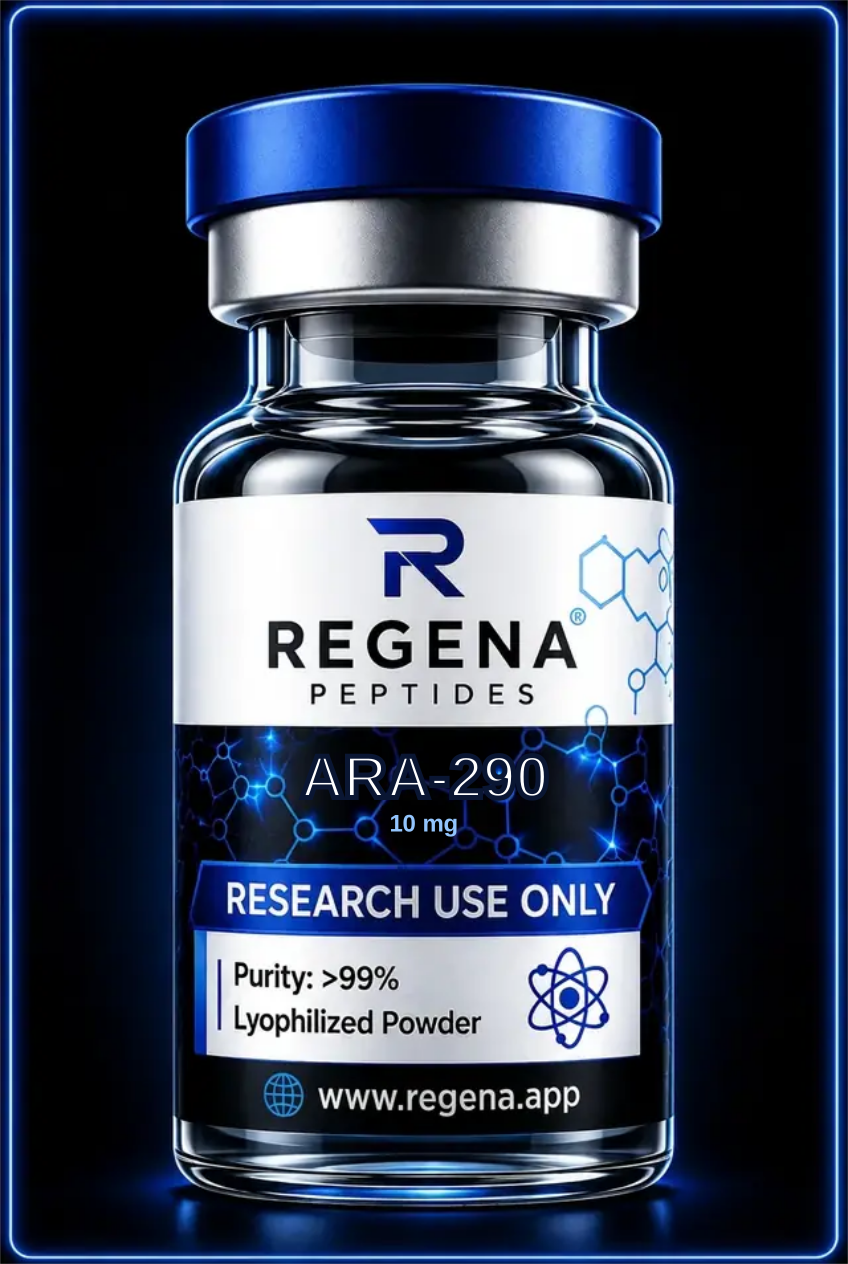 ARA-290EPO-derived peptide for non-erythropoietic tissue-protection research.
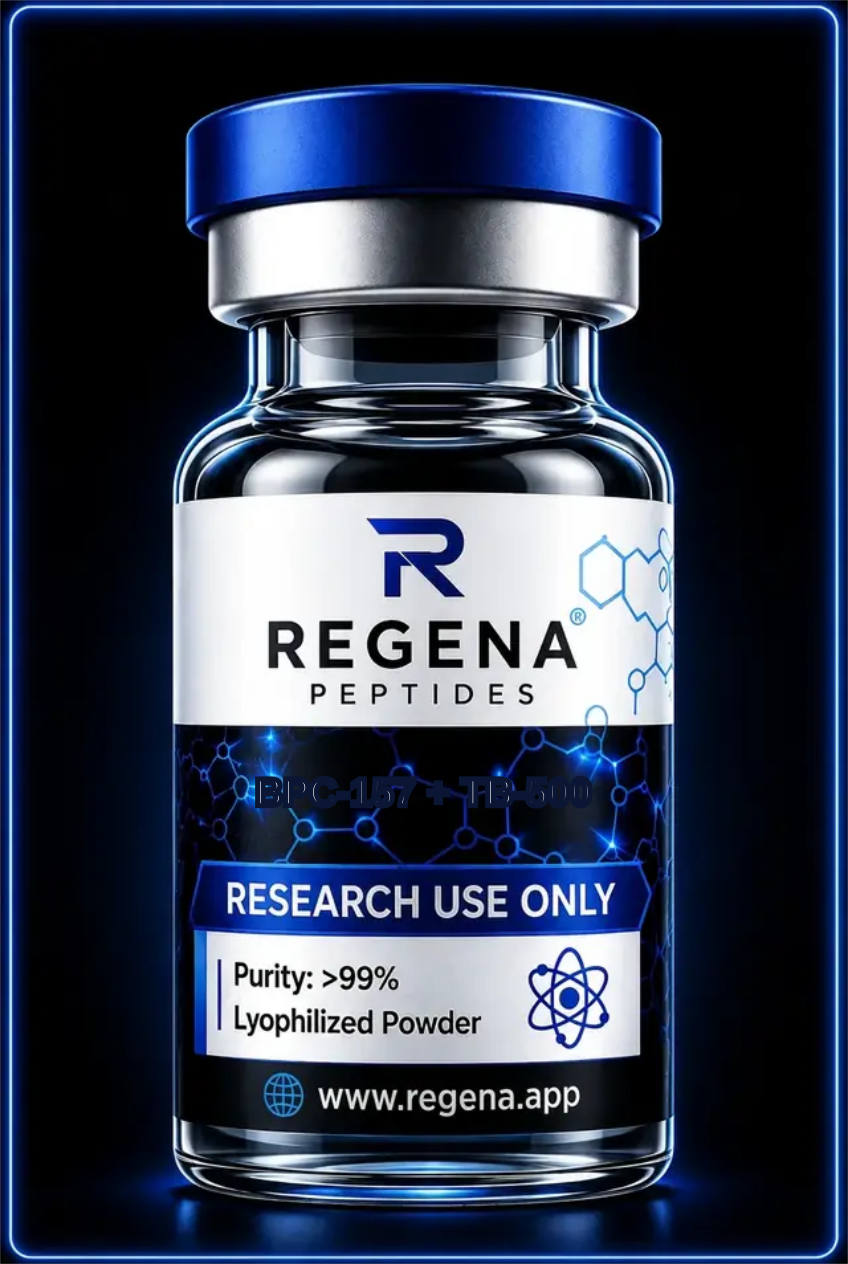 BPC-157 + TB-500Combined regenerative research blend for soft-tissue repair models.
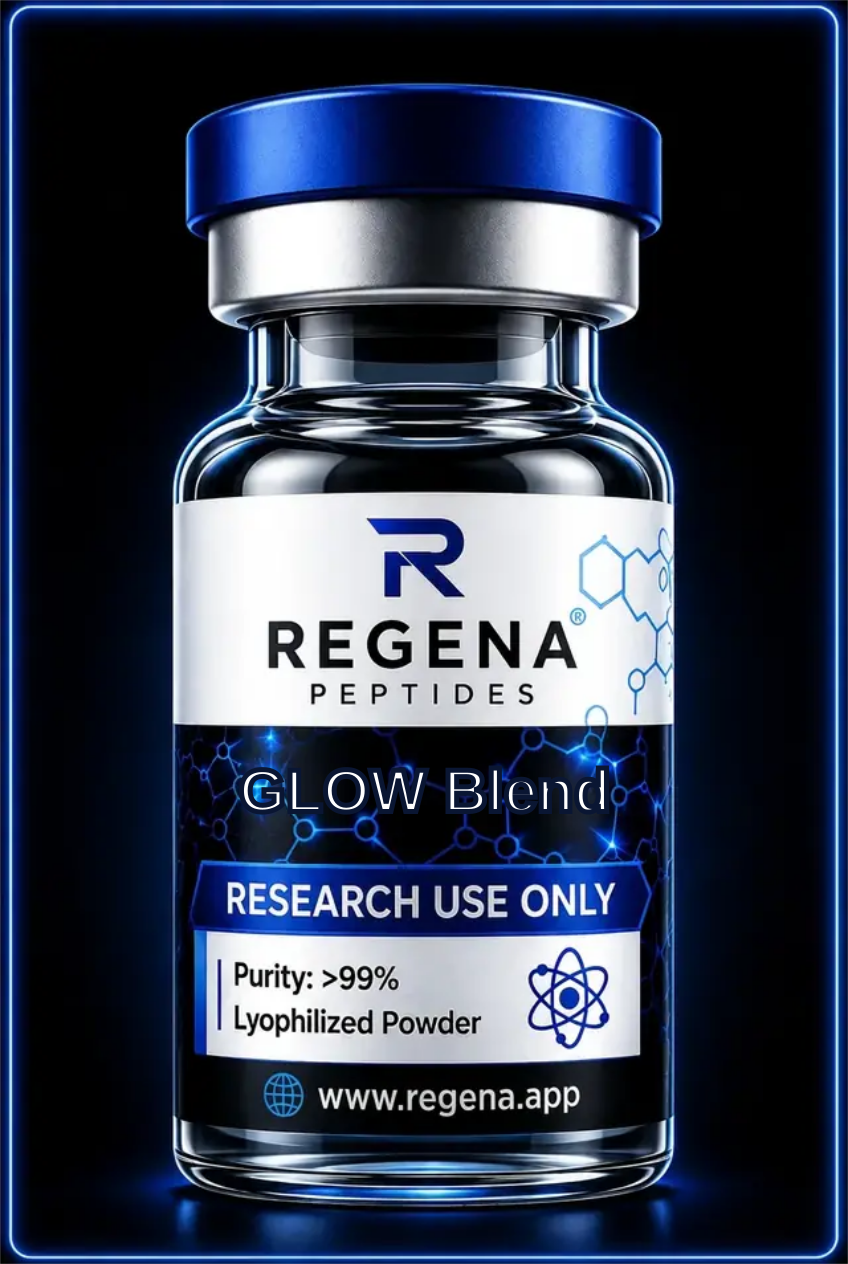 GLOW BlendGHK-Cu + BPC-157 + TB-500 blend for skin and regenerative research.
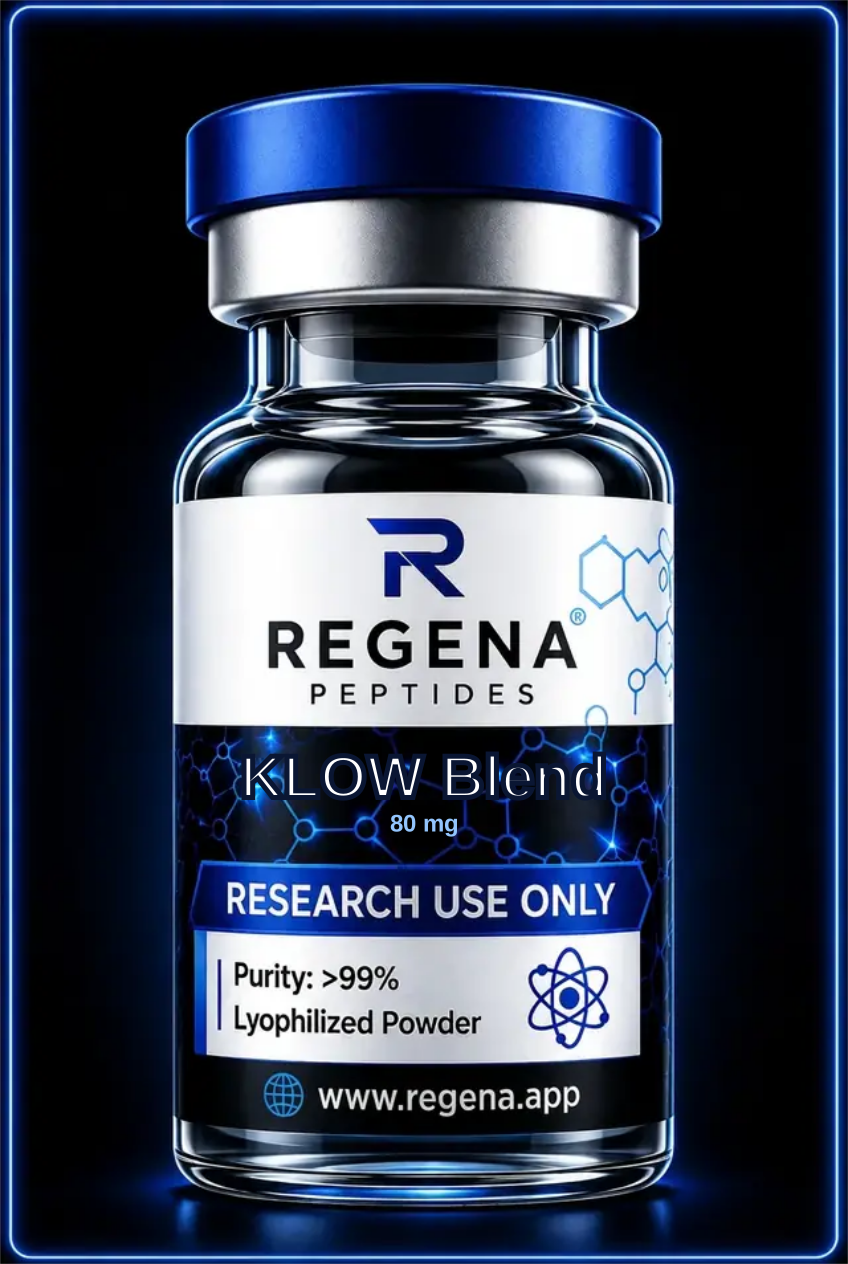 KLOW BlendKPV + GHK-Cu + BPC-157 + TB-500 research blend for inflammation and tissue models.
Frequently asked questions
How do repair peptides differ from each other?
They act on different parts of the repair cascade — cell motility, vascular signalling or matrix remodelling — which is why comparison pages exist for the most-studied pairs.
Are these compounds stable once mixed?
Reconstituted vials are typically held refrigerated and protected from light. Our storage guide covers handling windows reported in the literature.
Can I see the purity report before buying?
Yes — the COA library is public and searchable by peptide or batch number, and you can buy directly from the report.
Related pages
Other categories
All compounds are supplied for in-vitro laboratory research use only. Nothing on this page is medical advice or a recommendation for human or veterinary use.
Regenerative & tissue-repair peptides: selection guide
What groups these peptides
Regenerative peptides are studied in laboratory and animal models of tissue repair, angiogenesis and inflammation signalling. BPC-157 is a 15-amino-acid fragment derived from a gastric protein. TB-500 is a synthetic fragment linked to thymosin beta-4. GHK-Cu is a copper-binding tripeptide found naturally in plasma. KPV is the C-terminal tripeptide of alpha-MSH. ARA-290 is an erythropoietin-derived peptide engineered to avoid the classic EPO receptor.
Blends and their contents
BPC-157 + TB-500 combines the two most cited compounds in this group in one vial. GLOW and KLOW are multi-peptide blends built around BPC-157, TB-500 and GHK-Cu, with KLOW adding KPV. Exact amounts per vial are listed on each product page. Compare the per-compound milligrams, not just the total, when weighing a blend against single vials.
Evidence and handling
Most published work on these compounds is cell-culture and rodent research, and human data is limited. We describe them as research materials only. GHK-Cu appears in two listings: research-grade lyophilised vials, and a larger peptide format also found in cosmetic-formulation work. The product pages state which is which.
Copper peptides can tint solutions blue. That is normal for the complex and not a sign of contamination.
Documentation and choosing a size
BPC-157 and TB-500 are the most frequently tested peptides in this group, and they are the easiest to check against a certificate of analysis: both have well-known molecular weights, and mass spectrometry confirms them clearly. For blends, a useful report confirms each component separately rather than giving a single combined purity figure. Ask for the report for the batch you will receive, and contact us if a listing does not show one.
Single-compound vials suit studies that need to isolate one variable. Blends are convenient when a published method already pairs compounds, but they fix the ratio between them. Larger vial sizes lower the cost per milligram, though reconstituted solutions are normally used within a limited window, so buy the size your schedule will actually use.