
Category hub · Cellular ageing & mitochondrial class
Longevity & mitochondrial peptides
Longevity peptides are studied against cellular-ageing endpoints: telomerase activity, mitochondrial membrane integrity, oxidative-stress handling and senescence markers. The literature is mostly in-vitro, with a smaller body of rodent lifespan work.
About this category
Mitochondrial-targeted sequences are the most active area in this category — compounds that accumulate at the inner mitochondrial membrane and are assessed on cardiolipin interaction and electron-transport efficiency in the reference models.
These are long-horizon research programmes, so we lot-match kits and keep historical certificates online: if you need to reference the exact batch used six months into a study, the report is still there.
- Telomere-model and mitochondrial-targeted sequences
- Historical batch certificates kept online and searchable
- Lot-matched 10-vial kits for long protocols
- Temperature-buffered, tracked EU dispatch
Longevity & mitochondrial peptides in the catalogue (10)
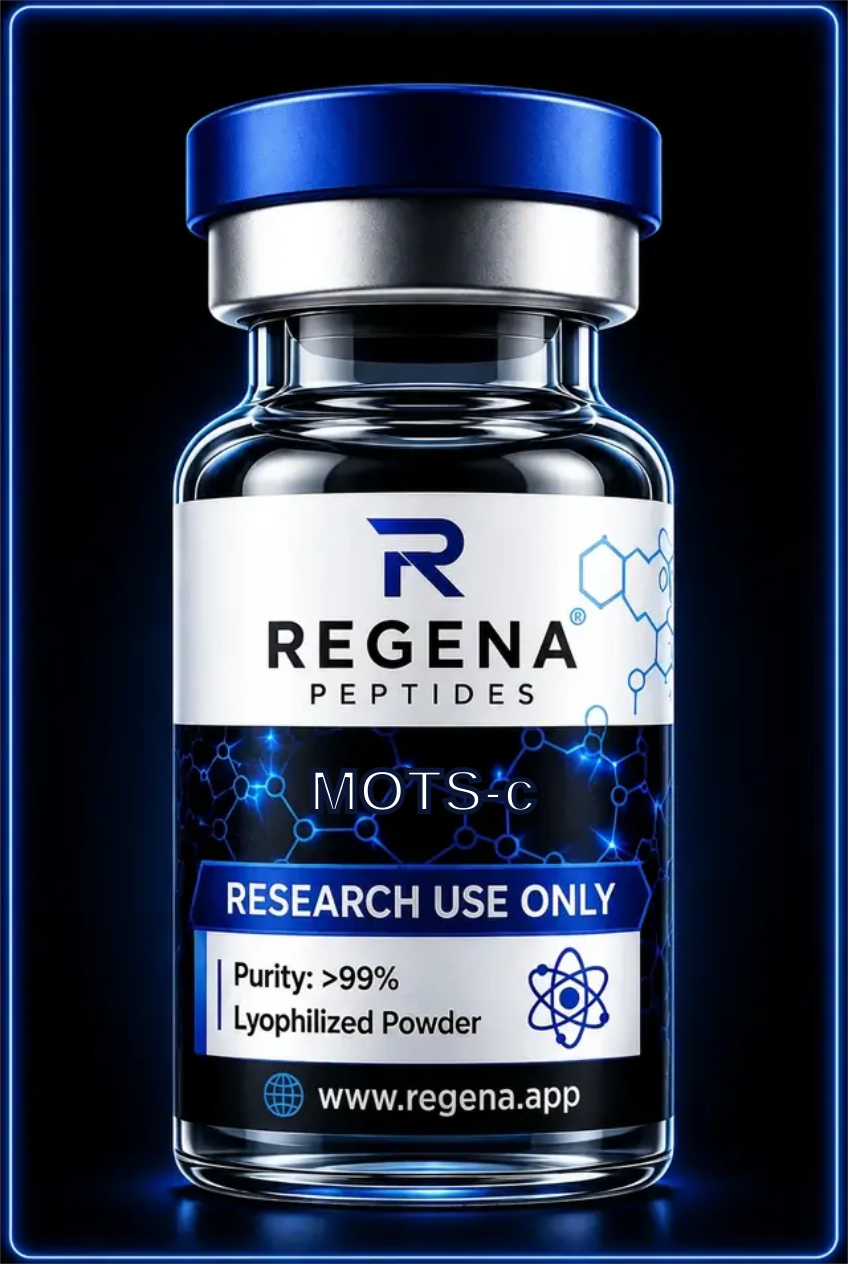 MOTS-cMitochondrial-derived peptide used in exercise-mimetic and AMPK research.
 HumaninMitochondrial-derived cytoprotective peptide for ageing research.
 EpitalonTetrapeptide studied in pineal, circadian and telomerase research.
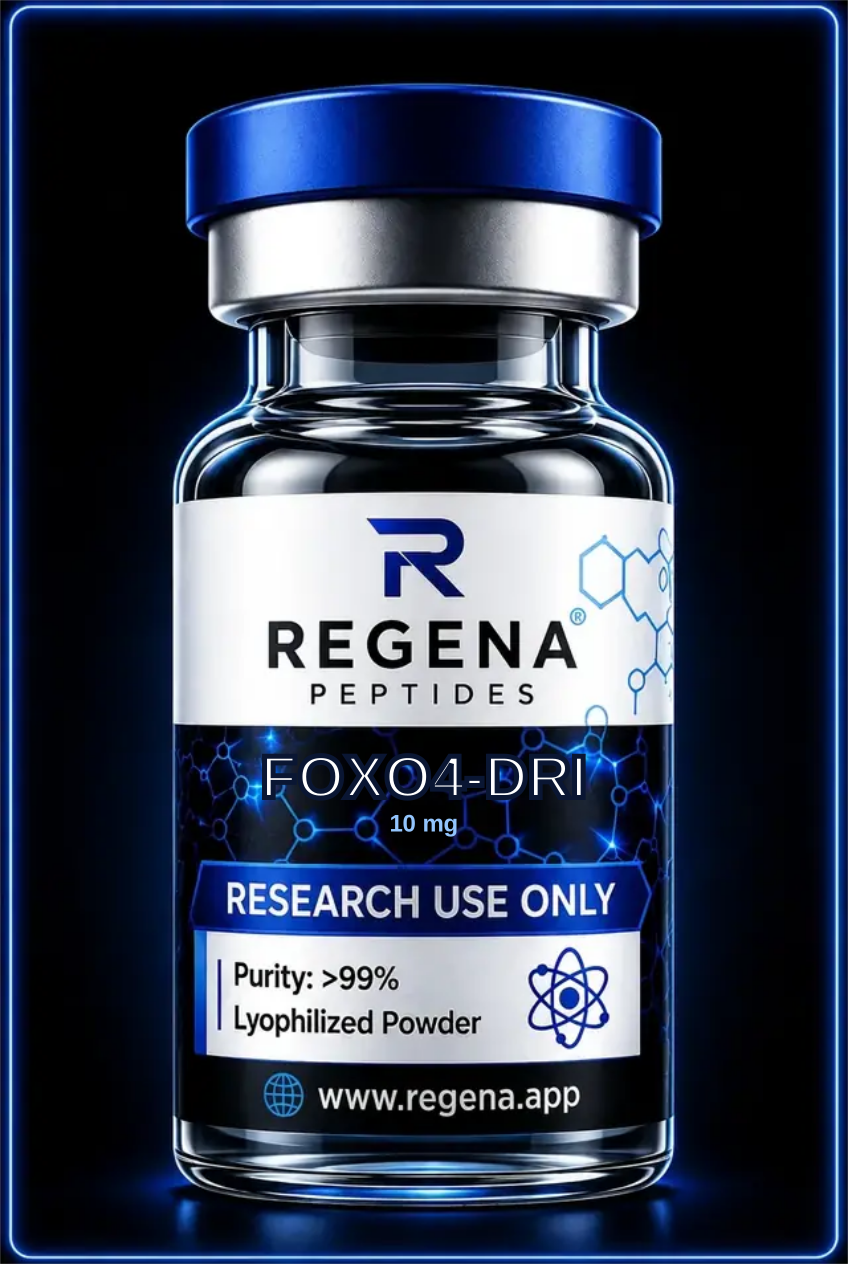 FOXO4-DRIRetro-inverso peptide tool compound for senolytic research.
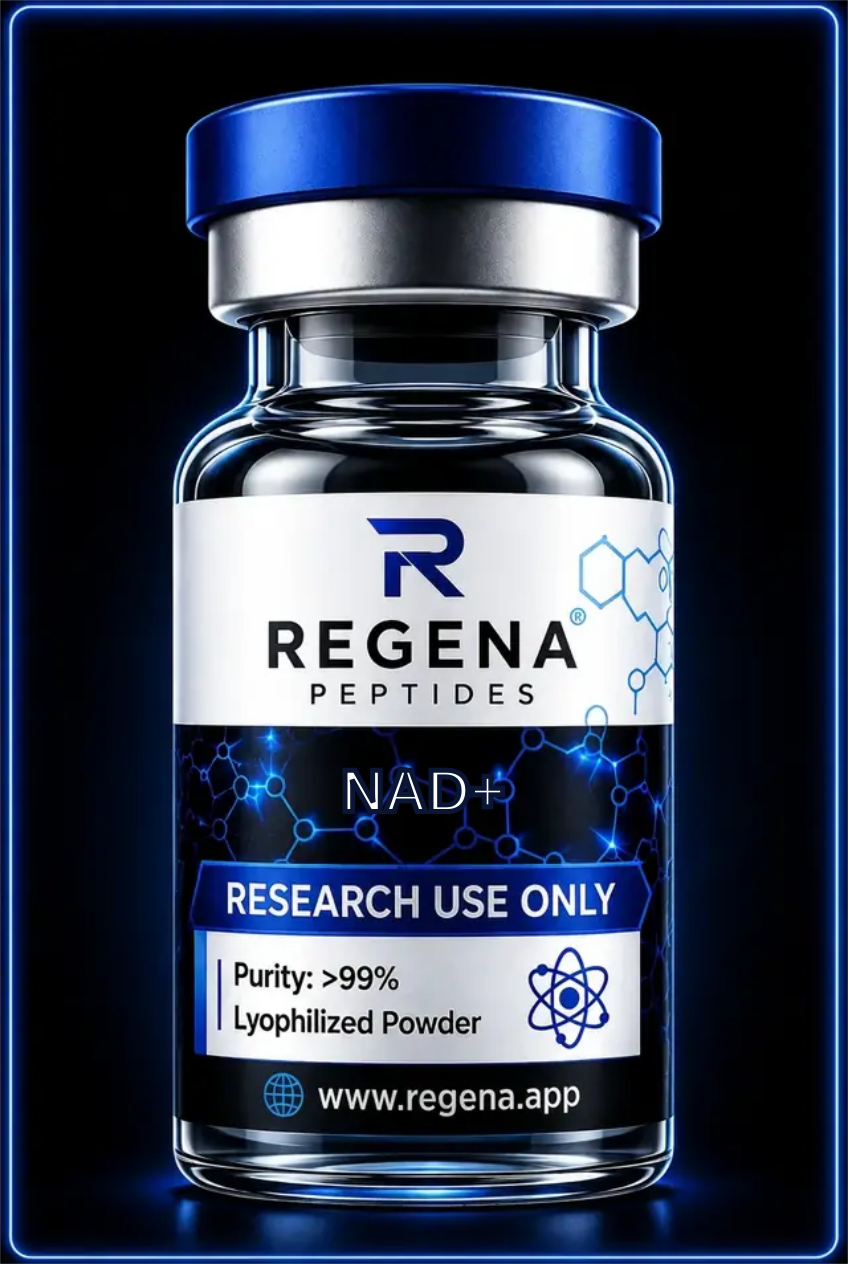 NAD+Pyridine nucleotide coenzyme central to ageing and bioenergetics research.
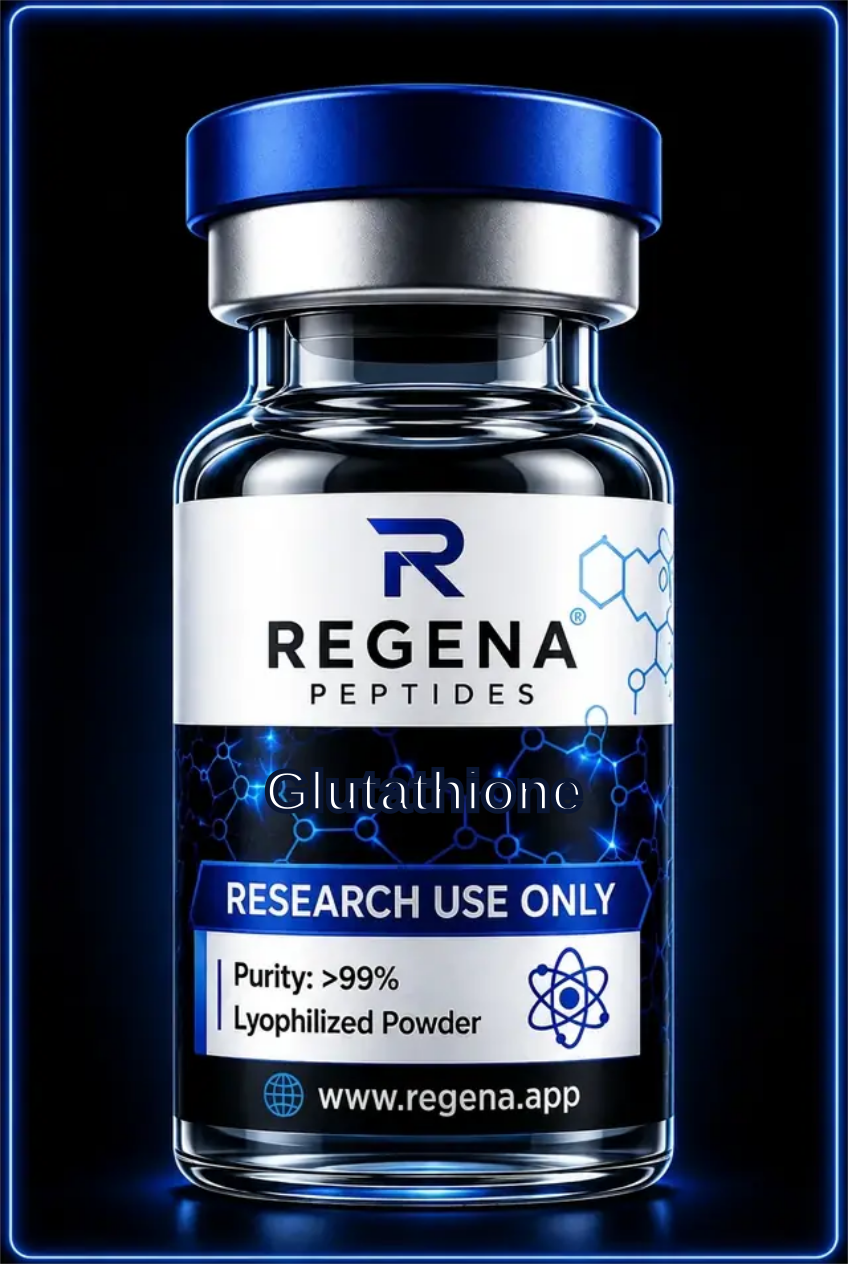 GlutathioneTripeptide master antioxidant used in redox and detoxification research.
 EpithalonAEDG tetrapeptide used in telomere, pineal and cellular-senescence research.
 CartalaxAla-Glu-Asp cartilage bioregulator peptide used in joint and cartilage aging research models.
 PNC-27p53-derived research peptide studied for HDM-2 membrane binding and selective in-vitro cytotoxicity.
 VesugenKED tripeptide bioregulator studied for vascular endothelial gene expression in ageing models.
Frequently asked questions
What endpoints does longevity research use?
Typically telomerase activity, senescence markers, mitochondrial membrane potential and oxidative-stress readouts — not clinical outcomes.
Do old batch certificates stay available?
Yes. Reports remain in the COA library after a batch sells out, so studies stay documented.
What is the shelf life of lyophilised material?
Stored frozen and dry, lyophilised peptide is generally stable for extended periods; each product page gives the specifics we hold for that compound.
Related pages
Other categories
All compounds are supplied for in-vitro laboratory research use only. Nothing on this page is medical advice or a recommendation for human or veterinary use.
Longevity & mitochondrial peptides: selection guide
Mitochondrial-derived peptides
MOTS-c and Humanin are encoded in mitochondrial DNA rather than the nuclear genome, and are studied in models of cellular stress and metabolic ageing. MOTS-c is 16 amino acids long and Humanin 24. NAD+ is a coenzyme rather than a peptide and is listed here because it is central to the same literature.
Short regulatory peptides
Epitalon (also sold as Epithalon, the same tetrapeptide under two common spellings) is studied in telomerase and pineal-model research. Cartalax and Vesugen come from the Khavinson series of short regulatory peptides. Each is two to four amino acids and is studied in tissue-specific gene-expression models.
Senolytic and other listings
FOXO4-DRI is a D-retro-inverso peptide designed to disrupt the FOXO4–p53 interaction in senescent-cell research. The D-amino-acid backbone makes it more resistant to enzymatic breakdown. PNC-27 is a p53-derived membrane-active peptide studied in cancer-cell lines. Glutathione is the cell's main antioxidant tripeptide.
Longevity is a description of the research area, not a claim about lifespan in any organism.
Documentation and choosing a listing
Epitalon and Epithalon are listed separately only because both spellings are widely searched. They are the same Ala-Glu-Asp-Gly tetrapeptide, so compare their sizes and prices directly. MOTS-c and Humanin are longer and benefit from a certificate showing mass-spectrometry confirmation. FOXO4-DRI's D-amino-acid backbone has the same mass as its L-form, so identity checks rely on retention time against a reference as well as mass.
NAD+ and Glutathione are supplied as research-grade powders and are more sensitive to moisture than most peptides. Keep them sealed and cool. Store all lyophilised vials refrigerated and protected from light. Batch COAs are available on request where a report is not listed. Ask before ordering if your work needs a specific batch document.